Brussels Itinerary for 4 Days
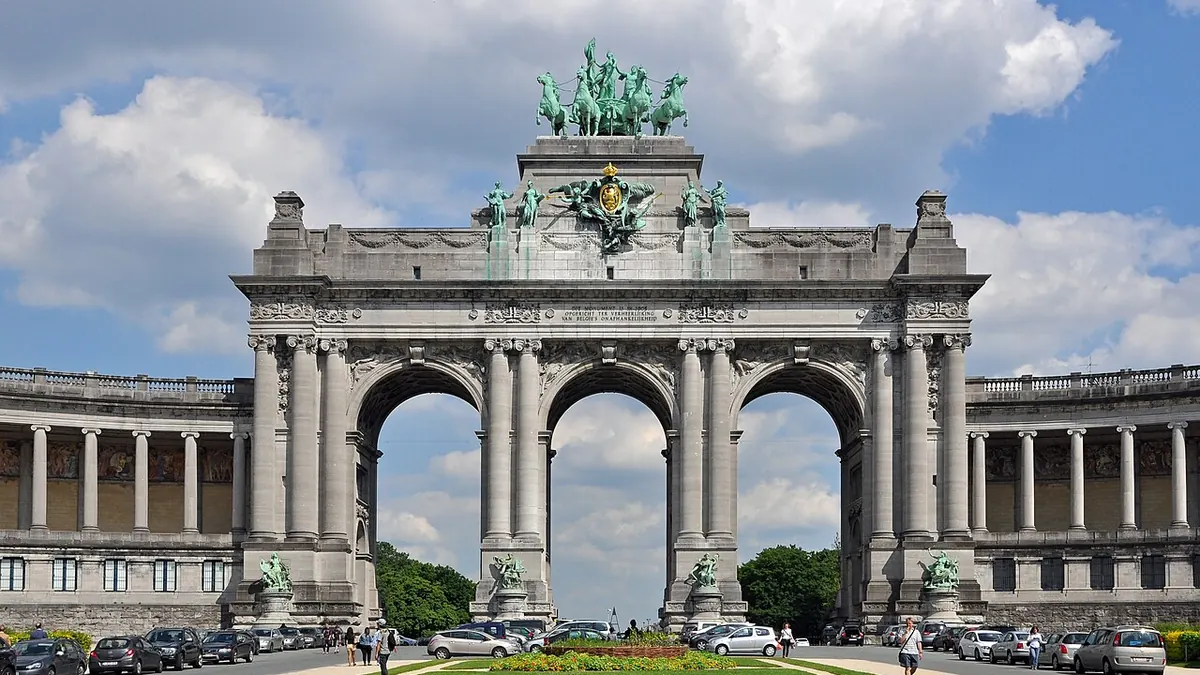
A good Brussels itinerary for 4 days spends day one in the historic center, day two on Mont des Arts, the Magritte Museum and the Sablon, day three in the European Quarter and Atomium, and day four on a day trip to Ghent or Bruges. It also scales down to 1 to 3 days or up to 5 to 7 days.
In this guide
- What is the best Brussels itinerary for 4 days?
- What should you see in Brussels each day?
- How do you plan a Brussels itinerary with kids?
- How do you get around Brussels?
- What mistakes should you avoid in Brussels?
- What do Israeli travelers need to know before visiting Brussels?
- Is 4 days in Brussels enough?
What is the best Brussels itinerary for 4 days?
The best 4-day Brussels itinerary gives one day to the historic center, one to the Upper Town and its museums, one to the European Quarter, Cinquantenaire, and Atomium, and one to a day trip to Ghent or Bruges.
| Day | Focus | Best for |
|---|---|---|
| 1 | Grand-Place, Galeries Royales Saint-Hubert, Manneken Pis, Sainte-Catherine | A first taste of the city |
| 2 | Mont des Arts, Magritte Museum, Sablon, Royal Quarter, Parc de Bruxelles | Art, views, and elegant streets |
| 3 | European Quarter, Parc du Cinquantenaire, then Atomium and Mini-Europe at Heysel | Modern Brussels, big landmarks |
| 4 | Day trip to Ghent or Bruges, or a slow day in Marolles, Saint-Gilles, and Ixelles | Flexibility, families, repeat visitors |
How to shorten or extend it
With 1 day, do Day 1 only. With 2 days, add Day 2. With 3 days, add Day 3 and skip the day trip. For 5 days, add a second day trip such as Antwerp or Leuven, or keep Day 5 for neighborhoods like Saint-Gilles and the Marolles flea market. For 7 days, mix Brussels with two or three day trips plus one spare day for rain, museums, or tired children.
What should you see in Brussels each day?
In 4 days, see the historic center on Day 1, the Upper Town on Day 2, the European Quarter and Atomium on Day 3, and use Day 4 for a day trip or neighborhoods.
Day 1: Historic center
- Grand-Place and its guild houses, best early in the morning or after dark when it is lit
- Manneken Pis, a short walk away, and the nearby Jeanneke Pis for comic relief
- Galeries Royales Saint-Hubert for a covered stroll, window shopping, and chocolate
- Lunch, then the Sainte-Catherine and Place Saint-Géry neighborhoods for an evening of cafes and dinner
Day 2: Upper Town and art
- Mont des Arts for the classic city viewpoint
- Magritte Museum, part of the Royal Museums of Fine Arts, or the Musical Instruments Museum (MIM)
- Place du Grand Sablon for antiques, chocolate shops, and cafes
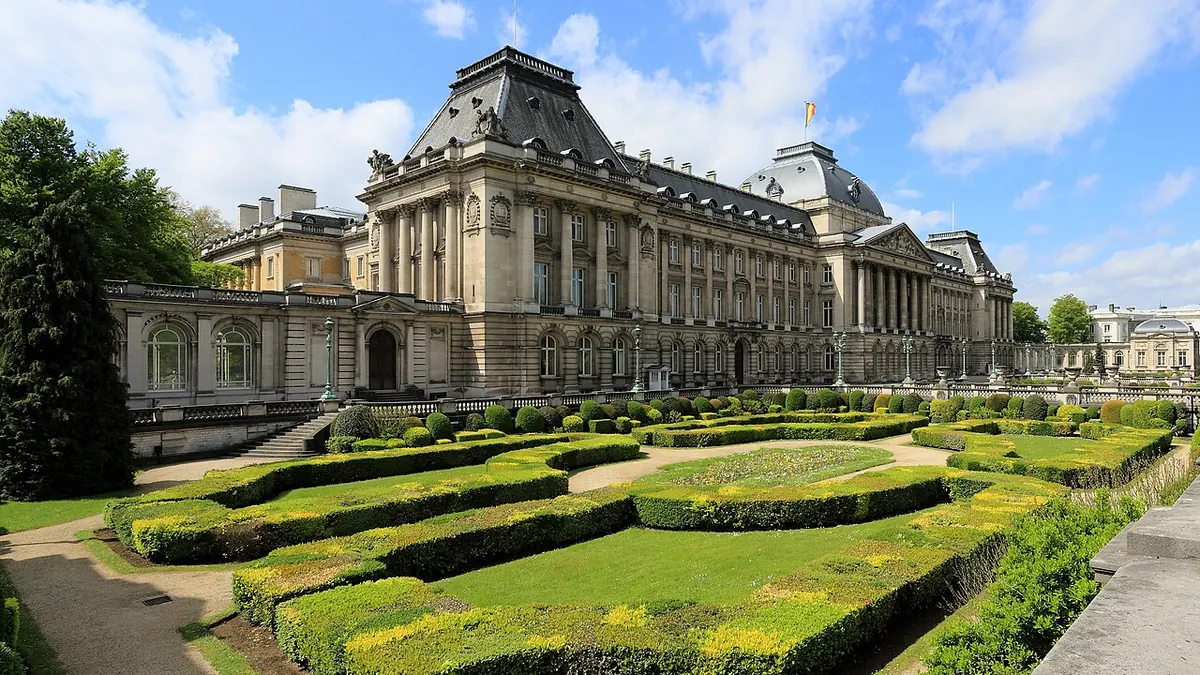
- Walk through Parc de Bruxelles to the Royal Palace and the Royal Quarter
Day 3: European Quarter and Heysel
- Parc du Cinquantenaire with its triumphal arch and museums such as Autoworld and the Art and History Museum
- The EU institutions around Place Schuman and Parc Leopold
- Metro to Heysel for the Atomium and Mini-Europe, a good fit for children
Day 4: Day trip or slow Brussels
Ghent is about 35 minutes by direct train from Brussels, and Bruges is about an hour, with trains running frequently. Choose Ghent for a livelier, less touristy university-town feel, and Bruges for canals and medieval streets. If you prefer to stay, spend the day in the Marolles, Saint-Gilles for Art Nouveau houses (such as the Horta Museum), and Ixelles for cafes around Place Flagey.
How do you plan a Brussels itinerary with kids?
Plan a Brussels itinerary with kids by keeping each day to one or two areas, planning a long lunch, and leaving room for parks, waffles, and downtime.
A good family rhythm is a morning sight, lunch, an afternoon park or short museum visit, and an early dinner near your hotel. The Atomium and Mini-Europe form a natural anchor for a child-friendly day. In the center, the Grand-Place and Galeries Royales Saint-Hubert keep walking simple, and the comic-strip murals scattered around the city can turn a stroll into a scavenger hunt. The Belgian Comic Strip Center is a good rainy-day stop.
Family-friendly building blocks
- Parks: Parc de Bruxelles, Parc du Cinquantenaire, and playgrounds for breaks.
- Easy museums: choose one a day and keep visits short.
- Sweet stops: waffles and chocolate shops reset the mood fast.
- Transport: use the metro or trams for longer hops, and avoid too many transfers.
If you keep kosher or observe Shabbat, ask the Brussels Jewish community or a local Chabad house about food and arrangements before you travel, and plan your Saturday close to where you sleep.
How do you get around Brussels?
The easiest way to get around Brussels is to walk the compact historic core and use the metro, tram, or bus for farther sights like Heysel and the European Quarter.
Getting around the city
Grand-Place, the Galeries Royales, Manneken Pis, and the Sablon are all within about 15 minutes' walk of each other. The metro reaches Heysel (for the Atomium) and the European Quarter (Schuman and Merode). Tickets can be bought at station machines or through the operator's app, so check the current fares and options on the official STIB-MIVB site before you travel.
From the airport and by train
Brussels Airport (Zaventem) has a direct train to Brussels-Central, Brussels-Midi, and Brussels-Nord stations, usually in 15 to 25 minutes. For Ghent, Bruges, Antwerp, and Leuven, take national trains from Brussels-Central or Brussels-Midi rather than driving, because they are quick and frequent.
- Best for the center: walking
- Best for farther sights: metro, tram, bus
- Best for day trips: train
With strollers, allow extra time, as not every station has a convenient elevator. The Grand-Place area has cobbles, so comfortable shoes help.
What mistakes should you avoid in Brussels?
The biggest mistake is doing too much: Brussels is best with slow wandering, not a checklist.
- Do not treat Brussels as a quick stop only. Many travelers glimpse Grand-Place and leave, missing neighborhoods like Saint-Gilles, Ixelles, and the Marolles.
- Do not skip the booking check. Popular spots such as the Atomium and the Magritte Museum can have timed tickets, so book ahead in peak season.
- Do not forget museum closing days. Many Brussels museums close on Mondays, so build your plan around that.
- Do not overbook day trips. One day trip in 4 days is plenty.
- Do not skip a rain plan. Brussels weather changes quickly, so keep museums, galleries, and covered arcades as a fallback.
A flexible plan makes the trip easier. Leave one half-day open for whatever you enjoy most, whether that is the Sablon antiques market, beer in a historic cafe, or a second walk through the lit-up Grand-Place.
What do Israeli travelers need to know before visiting Brussels?
Israeli passport holders can currently enter Belgium visa-free as Schengen visitors for short stays, but they should check the latest entry rules, including the upcoming ETIAS authorization, on official EU sources.
Direct flights between Tel Aviv and Brussels have been operated by several airlines, but schedules change, so check current timetables rather than assuming a direct flight on your dates. Brussels has a large international and Jewish community, and Antwerp, an easy day trip, is a well-known center of Jewish life in Belgium. Before you travel, check the latest travel advice from Israel's National Security Council (NSC) and the Ministry of Foreign Affairs, since guidance for Europe can change with the security situation. For kosher food, ask the local community or a Chabad house.
Is 4 days in Brussels enough?
Yes, four days is a comfortable length for Brussels and lets you add one day trip without rushing.
Three days covers the highlights of the city, and the fourth day gives you flexibility. You can use it for Ghent or Bruges, or stay and explore the Marolles, Saint-Gilles, and Ixelles at a slower pace. If you can only spare two days, stick to the historic center and the Upper Town, and skip the European Quarter and Atomium.
FAQ
Is 4 days in Brussels enough?
Yes. Four days lets you see the historic center, the Upper Town museums, the European Quarter, and the Atomium, and still leaves room for a day trip to Ghent or Bruges. It is a comfortable length if you prefer not to rush from sight to sight.
Should I use Brussels as a base for day trips?
Yes. Frequent trains make Ghent, Bruges, Antwerp, and Leuven easy to reach from Brussels in roughly 30 to 60 minutes. Staying in one hotel and taking a single day trip is simpler than changing bases, especially with children or luggage.
What is the best order for a first visit to Brussels?
Begin with the Grand-Place, the Galeries Royales Saint-Hubert, and Manneken Pis, then move to Mont des Arts and the Sablon, and leave the European Quarter and Atomium for later. This keeps each day geographically compact and avoids backtracking.
How much of Brussels can I see in 1 day?
In one day, focus on the Grand-Place, the Galeries Royales Saint-Hubert, Manneken Pis, and, if time allows, Mont des Arts and the Sablon. That gives a solid first impression of the center without turning the visit into a race.
Should I choose Bruges, Ghent, or Antwerp from Brussels?
All three are popular. Bruges is the most picturesque, with canals and medieval lanes. Ghent feels livelier and less crowded, and Antwerp is stronger for fashion, architecture, and Jewish heritage. With a single free day, pick one rather than trying all three.
Do Israelis need a visa for Belgium?
Israeli passport holders can currently travel to Belgium visa-free for short stays under Schengen rules. Rules, including the planned ETIAS travel authorization, are changing, so check the official EU and Belgian sources and the Israeli Foreign Ministry before you book your flights.