Copenhagen Itinerary for 5 Days
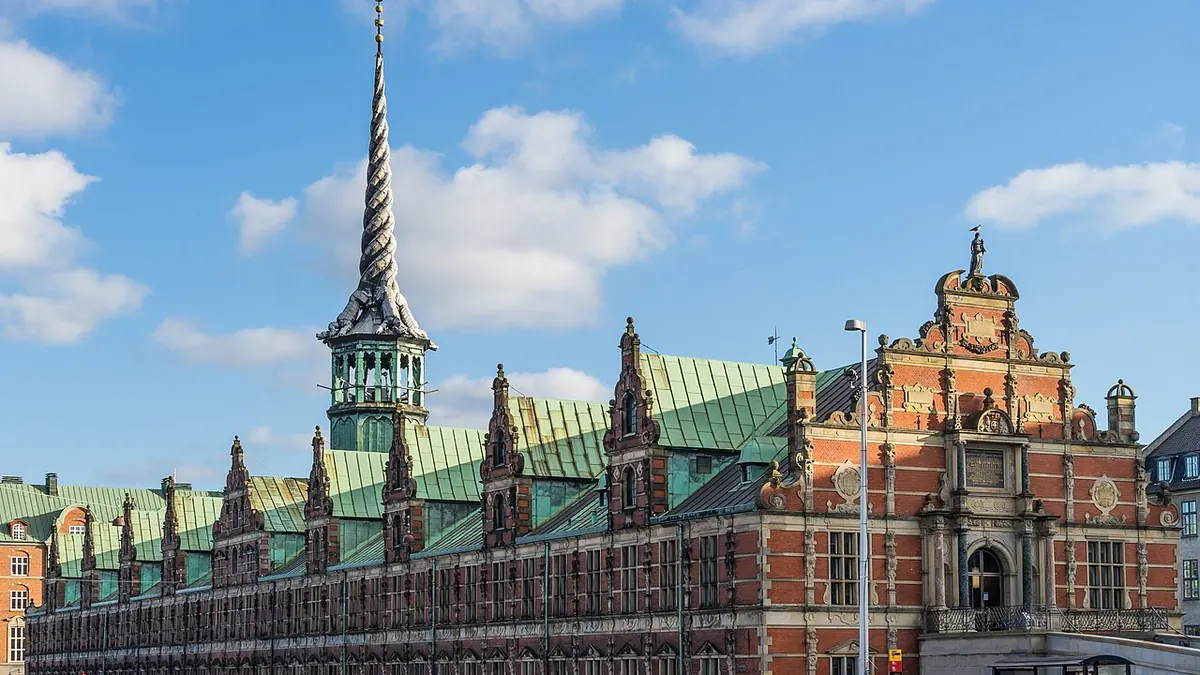
A 5-day Copenhagen itinerary covers the main sights, several neighborhoods and one day trip without rushing. Spend day 1 in the historic center, day 2 in Christianshavn, day 3 around Rosenborg and Nørrebro, day 4 on the waterfront and Frederiksberg, and day 5 on a day trip. The plan is easy to shorten or extend.
In this guide
- What is the best 5-day Copenhagen itinerary?
- What should you do on day 1 in Copenhagen?
- How should you spend days 2 and 3?
- What should you see on days 4 and 5?
- What changes in Copenhagen with kids or a toddler?
- How do you get around Copenhagen, and what about food?
- What mistakes should you avoid when planning Copenhagen?
What is the best 5-day Copenhagen itinerary?
The best 5-day Copenhagen itinerary groups sights by area: the historic center and Nyhavn on day 1, Christianshavn on day 2, the castle and food-market district on day 3, the waterfront and Frederiksberg on day 4, and a day trip on day 5. Grouping by area keeps you from zigzagging across the city.
| Day | Area | Focus |
|---|---|---|
| Day 1 | Indre By (Inner City) | Nyhavn, Amalienborg, Marble Church, Strøget, Tivoli Gardens in the evening |
| Day 2 | Slotsholmen and Christianshavn | Christiansborg Palace tower, Church of Our Saviour, canals, Christiania, Refshaleøen |
| Day 3 | Nørreport and Nørrebro | Rosenborg Castle, King's Garden, Torvehallerne market, Assistens Cemetery, Jægersborggade |
| Day 4 | Østerbro and Frederiksberg | Kastellet, the Little Mermaid, Design Museum Denmark, Frederiksberg Gardens, Vesterbro for dinner |
| Day 5 | Day trip | Helsingør and Kronborg Castle, with optional Louisiana Museum of Modern Art, or Roskilde |
How to shorten or extend it
With 4 days, drop the day trip or merge days 3 and 4 by skipping Frederiksberg. With 3 days, keep days 1, 2 and 3 and add the Little Mermaid to the end of day 3. With 2 days, do day 1 and day 2 only. With 7 days, add a second day trip, a slow museum day, and a day for the beaches and harbor baths if you travel in summer.
Flights from Tel Aviv to Copenhagen change by season and airline, so check current schedules and connection times before you book. Israeli passport holders should also check the official Danish and Schengen entry rules and the Israeli National Security Council and Foreign Ministry travel advisories before departure.
What should you do on day 1 in Copenhagen?
On day 1, stay in the compact historic center: Nyhavn, Amalienborg Palace, the Marble Church and Strøget, finishing at Tivoli Gardens. It is a gentle first day after the flight from Israel, with plenty of places to stop for coffee.
Start at Nyhavn, the colorful 17th-century canal harbor, ideally before the crowds arrive. Walk north along the waterfront to Amalienborg Palace, the royal family's winter residence, where the guard changes at midday. A few minutes inland, the green dome of the Marble Church (Frederik's Church) is worth a quick look. From there, walk back toward Kongens Nytorv and follow Strøget, one of Europe's longest pedestrian shopping streets, toward City Hall Square.
In the evening, Tivoli Gardens is right by the central station. It opens for a summer season and again for Halloween and Christmas, so check its calendar for your dates. Even if you skip the rides, the lit-up gardens are pleasant for dinner and a stroll.
Add if you still have energy
- Round Tower (Rundetaarn) for a view over the rooftops, reached by a spiral ramp rather than stairs.
- A canal cruise from Nyhavn, a low-effort way to see Christianshavn and the opera house from the water.
How should you spend days 2 and 3?
Spend day 2 in Slotsholmen and Christianshavn and day 3 around Rosenborg Castle and Nørrebro, because these areas are close together and show Copenhagen's historic and everyday sides.
Day 2. Begin at Christiansborg Palace on Slotsholmen, home of the Danish Parliament. Its tower is free to enter and gives one of the best city views. Cross the bridge to Christianshavn and climb the spiral tower of the Church of Our Saviour if you are comfortable with heights; the outer stairs are steep and open to the wind. Wander the canals, then visit Freetown Christiania, the alternative community, respectfully: follow the posted rules, do not take photos on Pusher Street, and skip it with young children if you prefer. In the late afternoon, take a harbor bus or bike to Refshaleøen, a former shipyard area with street food, open space and waterfront views.
Day 3. Start at Rosenborg Castle, a Renaissance castle that houses the Danish crown jewels, and then walk through the surrounding King's Garden. Have lunch at Torvehallerne, the glass food market by Nørreport station. In the afternoon head to Nørrebro: Assistens Cemetery, where Hans Christian Andersen and Søren Kierkegaard are buried, is also a local park. Continue to Jægersborggade, a street of small cafés, ceramics and independent shops, or to the multicultural Superkilen park.
What should you see on days 4 and 5?
Day 4 covers Copenhagen's northern waterfront and western parks, while day 5 is best spent on a day trip to Helsingør, Roskilde, or the Louisiana museum.

Day 4. Walk the star-shaped fortress Kastellet, then the waterfront to the Little Mermaid, which is smaller than most people expect. Pass the Gefion Fountain and visit Design Museum Denmark if you like architecture and furniture design. In the afternoon take the metro to Frederiksberg for its romantic gardens, which are also good for children. In the evening, try Vesterbro and the former Meatpacking District (Kødbyen) for restaurants and bars.
Day 5. The most popular day trip is Helsingør, about 45 minutes by train from the central station. It has Kronborg Castle, known as Elsinore from Hamlet, and a pretty old town. On the same railway line, Humlebæk is the stop for the Louisiana Museum of Modern Art, set on the Øresund coast, so you can combine both if you start early. For history fans, Roskilde is roughly 25 to 30 minutes by train and has its UNESCO-listed cathedral and the Viking Ship Museum. Check opening days before you go, since many Danish museums close on Mondays.
What changes in Copenhagen with kids or a toddler?
With children, slow the pace, plan one main activity per morning, and use parks and playgrounds as breaks. Copenhagen is one of the easier European capitals for families.
- Tivoli Gardens suits all ages and works well on day 1 or the last evening.
- Copenhagen Zoo sits next to Frederiksberg Gardens, so it fits easily into day 4.
- Kongens Have (King's Garden) has a large playground right by Rosenborg on day 3.
- The Blue Planet aquarium near the airport is a good rainy-day option.
- Streets and sidewalks are mostly flat and stroller-friendly, and the metro runs frequently with level boarding.
Start later after a long flight, build in a quiet hour after lunch, and let toddlers nap in the stroller while you walk. Many children enjoy the harbor buses and the canal cruise more than any museum.
How do you get around Copenhagen, and what about food?
The easiest way to get around is on foot and by metro, with buses, S-trains and the harbor bus for longer hops, all covered by the same zone-based ticketing. Cycling is popular, but only rent a bike if you are comfortable riding in traffic with dedicated bike lanes.
From Copenhagen Airport, the metro and trains reach the center in roughly 15 minutes. The city accepts cards almost everywhere, so you rarely need Danish kroner in cash. Prices are high compared with Israel, particularly for restaurants and alcohol, so lunch menus, bakeries and food markets help control your budget.
For food, try smørrebrød (open sandwiches) for lunch, a Danish pastry from a bakery, and street food at Refshaleøen or Torvehallerne. If you keep kosher or plan around Shabbat, check with the Copenhagen Jewish community or the local Chabad house before you travel.
When to go
- May to September: the longest days and best chance of dry weather; summer evenings stay light very late.
- December: Christmas markets and Tivoli's winter season, but short, dark days.
- Rest of the year: expect wind and rain at any time, so pack layers and a waterproof jacket.
What mistakes should you avoid when planning Copenhagen?
The biggest mistake is overloading each day and crossing the city repeatedly. Copenhagen is compact, but walking, museums and cafe stops add up.
- Overloading the schedule: choose two or three main stops per day and leave time to wander.
- Ignoring opening days: many museums close on Mondays and some castles reduce hours in winter, so check each site before fixing your order.
- Making every day a museum day: mix one major visit with canals, markets and parks.
- Underestimating the weather: wind and rain are common even in summer; bring layers.
- Skipping advance booking: popular attractions and summer restaurant tables can sell out, so book the ones you care about ahead.
If you only have 4 days, trim a neighborhood rather than rushing everything. If you have 7, resist stretching the same plan; add a slower neighborhood day and a second day trip instead.
FAQ
Is 5 days enough for Copenhagen?
Yes. Five days covers the main sights, several neighborhoods and one day trip at a relaxed pace. You can even add a second excursion if you prefer less city time. Four days works too if you drop a day trip or merge two neighborhood days.
How do you plan Copenhagen in 2 or 3 days?
With two days, combine the historic center and Nyhavn with Christianshavn. With three, add Rosenborg Castle, the food market at Nørreport and Nørrebro. Group sights by area so you spend your time exploring rather than commuting between distant corners of the city.
What is the best day trip from Copenhagen?
Helsingør with Kronborg Castle is the most popular, around 45 minutes by train. Roskilde, with its cathedral and Viking Ship Museum, is even closer. The Louisiana Museum of Modern Art, in Humlebæk, sits on the Helsingør line, so one trip can combine both.
Is Copenhagen good for kids and toddlers?
Yes. The city is flat, mostly stroller-friendly and full of playgrounds and parks. Tivoli Gardens, Copenhagen Zoo and the Blue Planet aquarium are favorites. Keep museum visits short, schedule a break after lunch and avoid changing neighborhoods more than once per day.
Do Israelis need a visa for Denmark?
Israeli passport holders have generally been able to visit the Schengen area without a visa for short stays, but rules, including the new ETIAS system, can change. Check the official Danish immigration website and the Israeli Foreign Ministry before booking, and review current travel advisories.
When is the best time to visit Copenhagen?
Late May to early September offers the longest daylight and mildest weather, with outdoor dining and harbor swimming. December suits Christmas markets and Tivoli's festive season, although days are short and dark. Rain and wind can occur in any month, so bring layers.