Cusco Itinerary for 10 Days
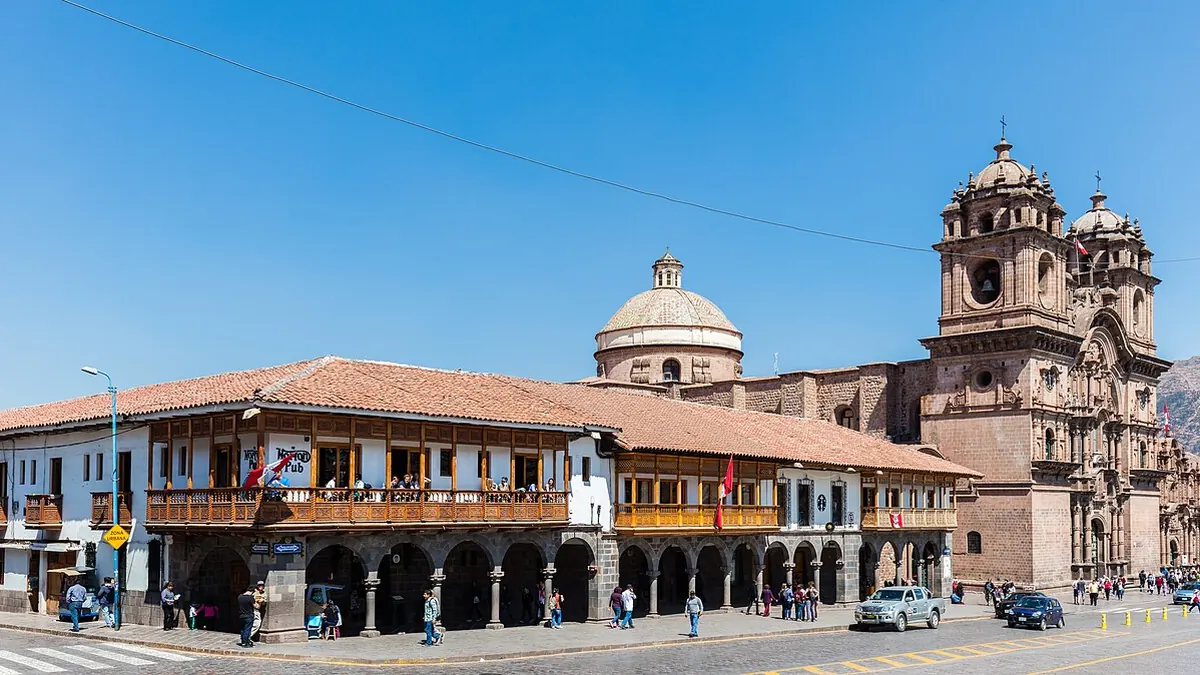
A Cusco itinerary for 10 days works best when you start with easy days in Cusco at altitude, then move to the Sacred Valley for Pisac, Moray, Maras and Ollantaytambo, take the train to Machu Picchu, and keep a rest or excursion day at the end. A shorter 3-day version is included.
In this guide
- How should you split 10 days between Cusco and the Sacred Valley?
- What does the Cusco 10-day itinerary look like day by day?
- Which Machu Picchu option fits your pace: train, Salkantay or the Inca Trail?
- What should you do on rest and acclimatization days in Cusco?
- What practical tips should Israeli travelers know for Cusco?
- What mistakes ruin a 10-day Cusco itinerary?
- How does the Cusco itinerary change for 4, 5, 6 or 7 days?
How should you split 10 days between Cusco and the Sacred Valley?
A good 10-day split is 3 nights in Cusco, 3 nights in the Sacred Valley, 1 night in Aguas Calientes for Machu Picchu, then 2 more nights in Cusco and a departure day. This puts the easy days first, keeps the big trip for when you have adapted to altitude, and leaves room for one extra day trip.
- Cusco (about 3,400 m): Inca and colonial sites, markets, and the viewpoints around the city.
- Sacred Valley (about 2,800 m): Pisac, Chinchero, Moray, Maras and Ollantaytambo. It is lower than Cusco, so many people sleep better there.
- Machu Picchu: reached by train from Ollantaytambo to Aguas Calientes, then a bus or walk up to the site.
A practical 10-day rhythm
- Days 1 and 2 (Cusco): slow arrival, short walks, early nights.
- Days 3 to 6 (Cusco and the Sacred Valley): sites near Cusco, then move to the Valley for Pisac, Moray, Maras and Ollantaytambo.
- Days 6 and 7: train to Aguas Calientes and visit Machu Picchu.
- Days 8 and 9: back to Cusco, then a day for a big excursion or a rest.
- Day 10: departure.
Israeli passport holders generally travel to Peru without a visa for tourism, but rules can change, so check the official Peruvian migration site and the Israeli Foreign Ministry and National Security Council (NSC) advisories before booking. Flights from Tel Aviv normally connect through Europe, North America or Lima, so check current schedules.
What does the Cusco 10-day itinerary look like day by day?
This 10-day plan builds up gradually from easy days at altitude to the Sacred Valley, one Machu Picchu day, and a flexible final stretch.
| Day | Area | What to do |
|---|---|---|
| 1 | Cusco | Arrive, short walk around Plaza de Armas, early dinner |
| 2 | Cusco | Cathedral, Qorikancha, San Pedro Market, San Blas |
| 3 | Cusco | Sacsayhuaman, Qenqo, Tambomachay by taxi or tour, sunset if you feel well |
| 4 | Sacred Valley | Pisac ruins and market, continue to Ollantaytambo |
| 5 | Sacred Valley | Chinchero, Moray and the Maras salt pans |
| 6 | Sacred Valley, Aguas Calientes | Ollantaytambo ruins, afternoon train to Aguas Calientes |
| 7 | Machu Picchu | Early entry and a full site circuit, return to Ollantaytambo or Cusco by train |
| 8 | Cusco | Rest, local neighborhoods, crafts, cafes |
| 9 | Cusco region | Optional Rainbow Mountain or Humantay Lake (early start), or a relaxed day |
| 10 | Departure | Slow morning and airport transfer buffer |
If you only have 3 days
A 3-day Cusco itinerary is possible but tight: Day 1 in Cusco, Day 2 for the Sacred Valley with Pisac and Ollantaytambo, and Day 3 for Machu Picchu by train. Keep Day 1 very light because of the altitude.
- Travelers often overpack days 3 to 6, so add an extra Valley day if you tire easily at altitude.
- Check your Machu Picchu entry date and time, and the train time, before booking everything else.
Which Machu Picchu option fits your pace: train, Salkantay or the Inca Trail?
The train is the most comfortable option, while the Salkantay trek and the Inca Trail are multi-day hikes that need extra days and planning.
1. Train and bus (most comfortable). Trains run from Ollantaytambo (and some from Cusco area stations) to Aguas Calientes, followed by a short bus ride or walk to the site. This fits easily into a 10-day plan, and you can have a full day at Machu Picchu.
2. Salkantay trek (adventurous). A multi-day trek, usually 4 to 5 days, with high passes and cold mornings. It suits fit travelers who have already adapted to altitude. You would need to remove several days from the Valley.
3. Classic Inca Trail (permit required). A 4-day trek that needs a permit booked well in advance and a licensed operator. It is closed for maintenance in February, so check dates and availability early.
Build your Machu Picchu day around early access
- Entry is by timed circuits that must be booked in advance, so check the official ticket website and book as soon as your dates are firm.
- An early entry time avoids peak crowds. Keep the following day light.
- Rules, circuits and ticket options change, so confirm the details with the official source or your operator.
What should you do on rest and acclimatization days in Cusco?
On rest days in Cusco, walk gently, drink water and avoid heavy meals, rather than adding more sights.
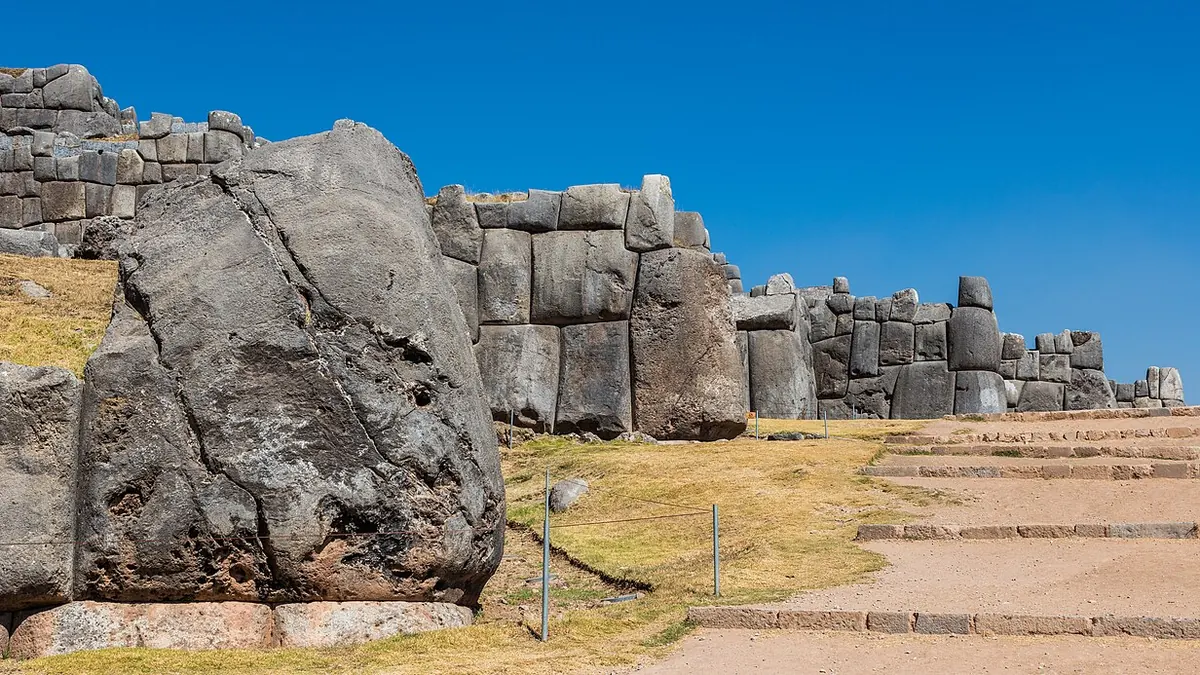
Cusco sits at about 3,400 m, and many visitors feel headaches, short breath or poor sleep in the first days. Pace yourself and save longer excursions for later.
Plan your rest day
- Start slowly in the Historic Center: wander the few blocks around Plaza de Armas rather than a long route.
- Pick one viewpoint: San Blas has a pleasant square and lanes with gentle slopes, and you can stop often.
- Take short flat walks: aim for 20 to 40 minutes, then rest, especially after meals.
- Delay long excursions: leave Rainbow Mountain and other high routes for later in the trip.
- Rest if you feel unwell: do not push through headaches or nausea.
Gentle routines that help
- Drink water steadily, eat light and avoid alcohol on the first days. Many locals drink coca tea, which is common in hotels.
- Ask your hotel about oxygen and altitude support.
- For kosher food and Shabbat arrangements, ask the local Jewish community or a Chabad house, and bring snacks.
If symptoms get worse, descend to a lower altitude such as the Sacred Valley and seek medical advice.
What practical tips should Israeli travelers know for Cusco?
Plan your days around altitude, realistic travel times and the fixed timing of tickets and trains.
Altitude
Take the first 24 to 48 hours easy: short walks, light meals and plenty of water. If you have heart or lung conditions, or are prone to altitude sickness, talk to your doctor before departure about prevention.
Getting around
- In Cusco: most sights in the center are walkable, and taxis are cheap for the hillside sites. Streets are steep.
- Sacred Valley: shared colectivos and private transfers both work. Start early and allow buffer time for traffic.
- Machu Picchu: your day depends on the train and bus times, so confirm them the night before.
Tickets and money
- Book the Machu Picchu entry and the train in advance, and carry your passport, since it is checked at entry.
- Many Cusco sites are covered by a combined ticket. Check what is included before you buy.
- Bring some cash for markets and small purchases, and a light layer for cold mornings.
When to go
Peru is in the Southern Hemisphere. The dry season runs roughly from May to September, with cold nights, and the wetter season runs from November to March, when trails can be muddy and trains are sometimes delayed.
What mistakes ruin a 10-day Cusco itinerary?
The biggest mistake is building a 10-day Cusco itinerary like a sprint, with too much on the first 48 hours and no plan for tickets or travel time.
- Starting too fast. Heavy hikes right after arrival can turn the trip into a struggle. Plan lighter days first.
- Leaving logistics to chance. Machu Picchu entry, train times and trek permits operate on fixed schedules, so book them first.
- Staying in only one base. Sleeping in the Sacred Valley for a few nights saves hours of early travel and is lower in altitude.
- Overpacking a Valley day. Driving and sightseeing add up. Do not stack more than two or three stops.
- Ignoring food and hydration. Eat simply and drink water, since dehydration makes altitude worse.
- Doing Rainbow Mountain too early. It reaches about 5,000 m, so save it for later.
How does the Cusco itinerary change for 4, 5, 6 or 7 days?
Shorter trips keep one easy day in Cusco, then reduce the number of Sacred Valley stops and keep the train to Machu Picchu.
- 4 days: one Cusco day, one Sacred Valley day, Machu Picchu, and a rest morning.
- 5 days: two Cusco days, a longer Valley day with Pisac and Ollantaytambo, and Machu Picchu.
- 6 days: two Valley days (Pisac, then Moray and Maras), plus Machu Picchu, with a buffer morning.
- 7 days: add a full Cusco rest day and an extra Valley hike, or a short extra excursion.
What to keep regardless of length
Keep one day that is not packed, at least one afternoon for recovery, and book tickets and transport before finalizing your schedule.
FAQ
Is 10 days enough for Cusco and Machu Picchu?
Yes. Ten days lets you adapt to altitude in Cusco, spend several days in the Sacred Valley, visit Machu Picchu by train and still have time for a rest day or one excursion. Even 3 to 4 days is possible, but it is much tighter.
Should I book Machu Picchu tickets before arriving?
Yes, especially in the dry season and for trekking permits such as the Inca Trail. Entry is by timed circuit and can sell out. Check the official ticket website and your operator for the current rules, and book the train at the same time.
Should I stay in Cusco or the Sacred Valley?
Use both. Cusco is best for the city sights and flexible days, while the Sacred Valley is lower and makes Pisac, Moray, Maras and Ollantaytambo easier, with the train to Machu Picchu leaving from Ollantaytambo. A few nights in each is a good balance.
How do I deal with altitude if I am not very fit?
Spend the first two days gently, with short walks, light food and plenty of water. Save demanding trips such as Rainbow Mountain or a trek for later. Discuss prevention with your doctor before traveling, and descend if symptoms worsen.
Is it hard to find kosher food in Cusco?
Kosher food is generally hard to find in Cusco, so plan ahead. Ask the local Jewish community or a Chabad house in Peru for current guidance, and bring snacks for day trips and the train. Check Shabbat timing against your train and tour schedule.
When is the best time to visit Cusco?
The dry season from about May to September has clearer skies and cold nights, and it is the busiest period. November to March is the rainy season, with greener scenery but more mud and possible delays. The Inca Trail is closed in February.