Kenya Itinerary for 10 Days (With a 5-Day Option)
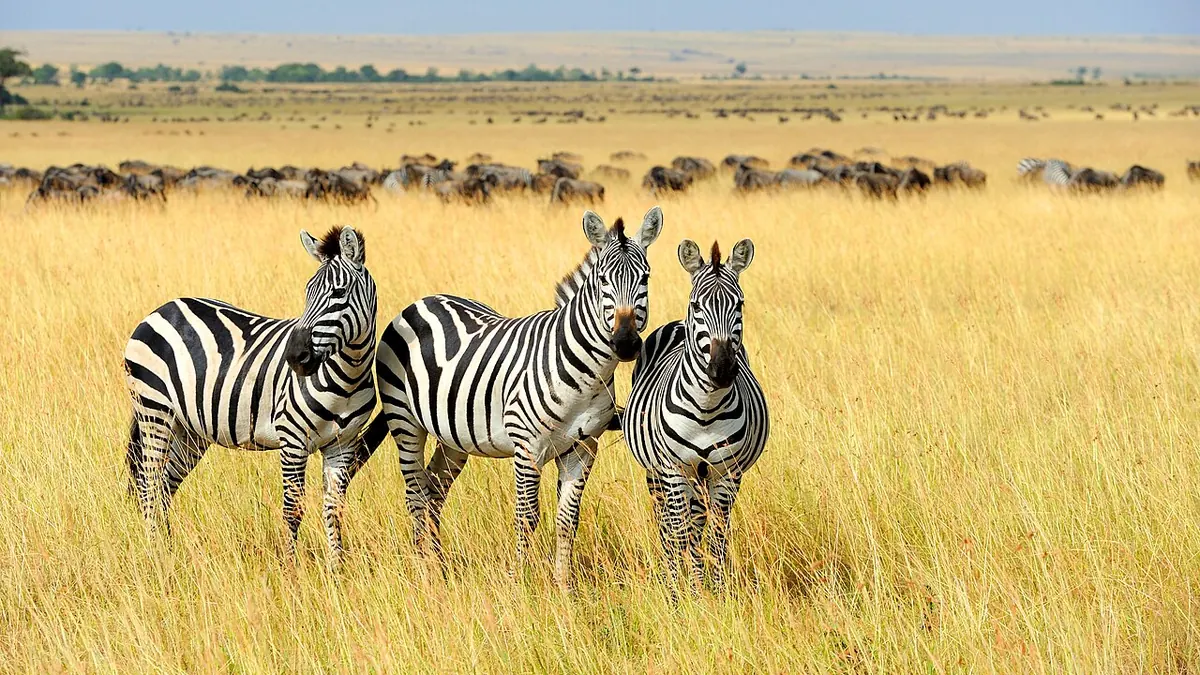
A Kenya itinerary for 10 days usually combines Nairobi, Lake Naivasha, the Masai Mara, Amboseli and a few days on the coast near Mombasa. With 5 days, focus on Nairobi and the Masai Mara. The dry months from late June to October are best for wildlife. Israeli travelers should check entry rules and official advisories.
In this guide
- What is the best Kenya itinerary for 10 days?
- How can you do Kenya in 5 days?
- What are the highlights of Nairobi and Lake Naivasha?
- What can you expect in the Masai Mara and Amboseli?
- Is the Kenyan coast worth adding?
- When is the best time to visit Kenya?
- What should Israeli travelers know before going to Kenya?
What is the best Kenya itinerary for 10 days?
The best 10-day Kenya itinerary combines Nairobi, Lake Naivasha, the Masai Mara, Amboseli and a few beach days on the south coast near Mombasa, which gives you big-five safaris and the Indian Ocean in a single trip.
| Day | Plan | Overnight |
|---|---|---|
| 1 | Arrive in Nairobi; Giraffe Centre and elephant orphanage if time allows | Nairobi (Karen area) |
| 2 | Drive to Lake Naivasha; boat trip or Hell's Gate National Park | Lake Naivasha |
| 3 | Drive to the Masai Mara; afternoon game drive | Masai Mara |
| 4 | Full day of game drives in the Mara | Masai Mara |
| 5 | Morning game drive; return to Nairobi by road or light aircraft | Nairobi |
| 6 | Drive to Amboseli National Park; afternoon game drive | Amboseli |
| 7 | Dawn and day game drives with views of Mount Kilimanjaro when clear | Amboseli |
| 8 | Return to Nairobi; evening flight or overnight | Nairobi |
| 9 | Fly to Mombasa and transfer to Diani Beach, or take the Madaraka Express train to Mombasa | Diani Beach |
| 10 | Beach morning; transfer to Mombasa for departure | Departure |
This itinerary is deliberately fast, with a lot of road time. If you prefer a slower pace, drop Amboseli and add a second night to the Mara or the coast. Distances look short on a map, but Kenyan roads are slow, so allow a full day for each long transfer.
How can you do Kenya in 5 days?
With 5 days in Kenya, spend one day in Nairobi and the remaining days in the Masai Mara, or split between the Mara and Amboseli, skipping the coast.
- Day 1: arrive in Nairobi, visit the Giraffe Centre or the elephant orphanage, and rest.
- Days 2 to 4: fly from Wilson Airport in Nairobi to a Mara airstrip, or drive, and spend three days on game drives.
- Day 5: return to Nairobi for your onward flight.
- Alternative: two nights in the Mara and two in Amboseli, if you are happy to drive and do not mind more time on the road.
Flying into the Mara saves a long day on rough roads, which is valuable on a short trip, but check schedules and baggage limits on the small planes.
What are the highlights of Nairobi and Lake Naivasha?
Nairobi's best short visits are the Giraffe Centre, the David Sheldrick Wildlife Trust elephant orphanage and Nairobi National Park, while Lake Naivasha offers boat trips among hippos and walking or cycling in Hell's Gate National Park.
- Nairobi National Park: a wildlife park on the edge of the city, where you can see lions, giraffes and rhinos against the skyline. It is a good option for a first afternoon.
- David Sheldrick Wildlife Trust: orphaned elephants are fed and cared for, with a public viewing hour in the morning that requires advance booking.
- Giraffe Centre: you can feed Rothschild's giraffes from a raised platform, which kids love.
- Karen Blixen Museum: the former home of the author of Out of Africa, in the Karen suburb.
- Lake Naivasha: a freshwater lake in the Great Rift Valley, about two hours from Nairobi. Take a boat trip for hippos and birds.
- Hell's Gate National Park: a gorge park where you can cycle or walk among zebras, giraffes and buffaloes, as there are few large predators.
What can you expect in the Masai Mara and Amboseli?
The Masai Mara is Kenya's best-known safari reserve, famous for lions, leopards, cheetahs and the Great Migration, while Amboseli is best for large elephant herds with Mount Kilimanjaro in the background.
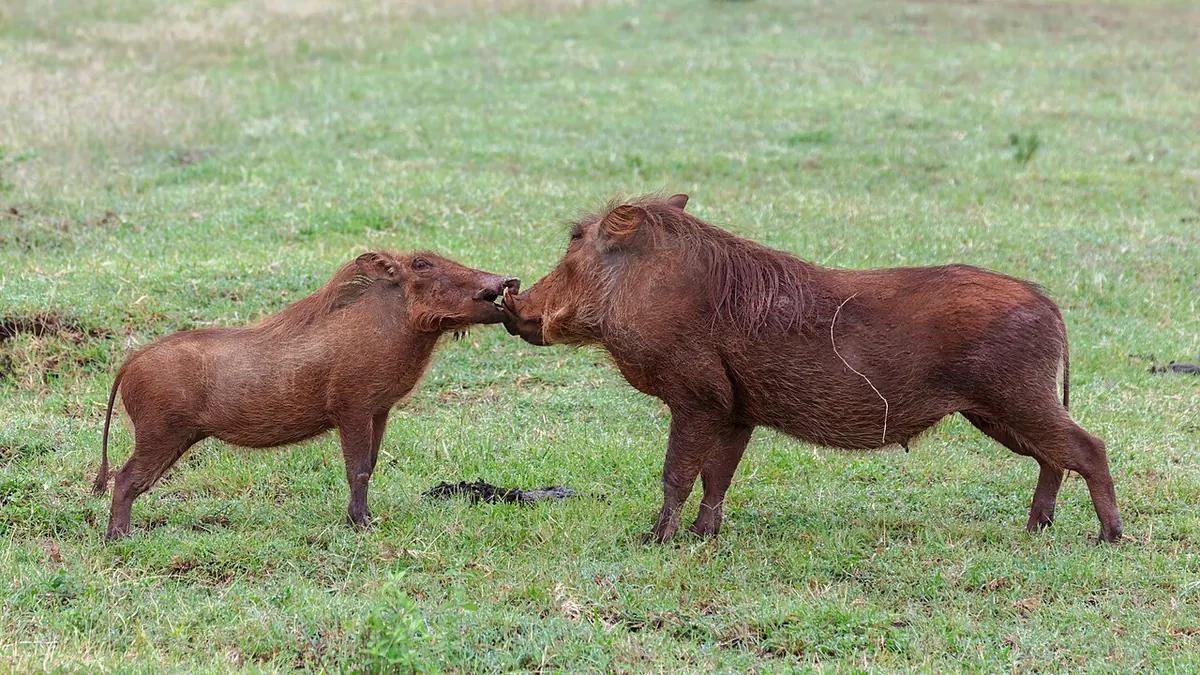
Masai Mara: game drives happen at dawn and late afternoon, when animals are most active. The Great Migration of wildebeest and zebra generally reaches the Mara between July and October, with river crossings usually in August and September, but timing varies from year to year. Outside that period you still see excellent resident wildlife. You can stay in a lodge inside the reserve or in a conservancy next to it, which usually has fewer vehicles and allows more flexible activities.
Amboseli: a flat park with open swamps and herds of elephants. Kilimanjaro, in Tanzania, is often hidden by cloud in the afternoon, so the best views are at sunrise and sunset.
- Choose a reputable operator: check licensing, reviews, vehicle type (a 4x4 with a pop-up roof) and group size.
- Bring binoculars: a long lens or good binoculars make a big difference.
- Park fees: they change, so ask your operator what is included, and confirm before you book.
Is the Kenyan coast worth adding?
Yes, after a safari the Kenyan coast is a relaxing finish, and the south coast around Diani Beach is easiest to add, with white sand, warm water and a short transfer from Mombasa airport.
The simplest ways to get to the coast are a short domestic flight from Nairobi (Jomo Kenyatta or Wilson Airport) to Mombasa, or the Madaraka Express train from Nairobi to Mombasa. Diani Beach is south of Mombasa, with a ferry crossing or a road transfer. Other coastal options include Watamu and Malindi in the north, and Lamu island for historic Swahili architecture, but they need more travel time.
- Best for a beach finish: Diani Beach, with resorts, water sports and Kisite-Mpunguti marine park trips.
- Best for culture: Mombasa's Old Town and Fort Jesus.
- Weather: the coast is hottest and most humid from December to March, and long rains hit from about April to June.
When is the best time to visit Kenya?
The best time for a Kenya safari is the dry season, from late June to October, with a second good window from January to February, while the long rains from March to May are the quietest and wettest period.
- June to October: dry, with better wildlife viewing around waterholes and the Great Migration in the Mara. This is the busiest period, so book early.
- January and February: hot and dry, with good wildlife viewing and fewer visitors than July to September.
- March to May: long rains. Some lodges close, roads can be muddy, and prices are often lower.
- November: short rains, with green landscapes and fewer tourists.
What should Israeli travelers know before going to Kenya?
Israeli travelers should check Kenya's current entry requirements, read the Israeli National Security Council (NSC) and Foreign Ministry advisories, arrange health precautions and buy travel insurance well before booking.
- Flights: do not assume a direct flight from Tel Aviv to Nairobi. Check current schedules, as most itineraries connect through a regional or European hub.
- Entry: Kenya has moved to an electronic travel authorization (eTA) system for most visitors, so apply through the official government portal and avoid third-party sites. Confirm requirements for Israeli passports before booking.
- Safety advisories: certain border regions, especially near Somalia and parts of the north-east coast, are subject to travel warnings. Stick to established safari and tourist areas and follow official advice.
- Health: talk to a travel clinic in Israel about malaria prevention, routine vaccines and a yellow fever certificate if required for your route.
- Kosher and Shabbat: for kosher food or Shabbat arrangements, contact the local Jewish community in Nairobi in advance. Bring packaged food for the safari parts of your trip.
- Money: the Kenyan shilling is the local currency. Cards are widely accepted in cities and lodges, and mobile payments are common.
FAQ
Is 10 days enough for Kenya?
Yes, 10 days is enough for a classic route with Nairobi, Lake Naivasha, the Masai Mara, Amboseli and a few beach days. Transfers take a lot of time, so if you want a slower pace, drop one park rather than rushing through all of them.
What is the best time to go on safari in Kenya?
The dry months from late June to October are best for wildlife, and the Great Migration usually reaches the Masai Mara between July and October. January and February are also good, and March to May brings the long rains and lower prices.
Can I do Kenya in 5 days?
Yes, a 5-day trip works well with a day in Nairobi and three or four days on safari in the Masai Mara, or split between the Mara and Amboseli. Flying into the Mara saves a long day on the road, so check small aircraft schedules.
Do Israelis need a visa for Kenya?
Kenya currently uses an electronic travel authorization system for most visitors instead of a traditional visa. Apply only through the official government portal, confirm the rules for Israeli passport holders before booking, and read the Israeli NSC and Foreign Ministry advisories for Kenya.
Is Kenya safe for tourists?
Safari areas and tourist resorts are generally well established, but some border regions are covered by travel warnings. Check the latest advice from the Israeli NSC and Foreign Ministry, use reputable operators, avoid night driving, and keep valuables secure in Nairobi.
How do I combine a safari with the beach in Kenya?
Finish the safari in Nairobi, then fly to Mombasa or take the Madaraka Express train, and transfer to Diani Beach. Add at least two nights at the coast to recover from the long drives and enjoy the beach properly.