Things to do in Kigali this weekend
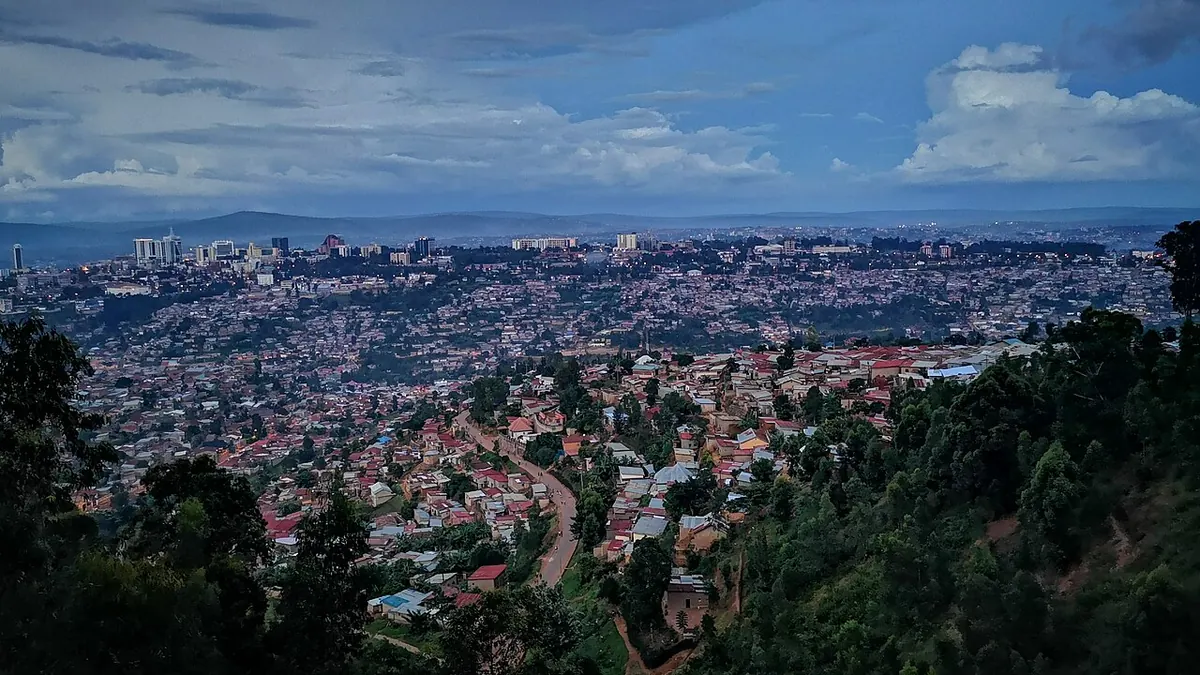
The best things to do in Kigali this weekend are the Kigali Genocide Memorial, Kimironko Market, a Nyamirambo walking tour, the Inema Arts Center, sunset on Mount Kigali and an evening in Kimihurura or Kacyiru. If it is the last Saturday of the month, plan around Umuganda community work, when the city pauses until late morning.
In this guide
- What are the best things to do in Kigali this weekend?
- What is open in Kigali on a weekend, and what is Umuganda?
- Where should you start: the Kigali Genocide Memorial
- Which markets, neighborhoods and galleries are worth visiting?
- What are the best things to do in Kigali with kids?
- What can you do in Kigali at night?
- Practical tips for a weekend in Kigali from Israel
What are the best things to do in Kigali this weekend?
The best things to do in Kigali this weekend combine one history stop, one market, one neighborhood walk, some contemporary art and a sunset viewpoint, with dinner in one of the city's lively hillside districts. Kigali is clean, green and calm, and its main sights fit comfortably into two days.
| Time | Saturday | Sunday |
|---|---|---|
| Morning | Kigali Genocide Memorial in Gisozi (or Umuganda on the last Saturday of the month) | Car Free Day in the city center (on Car Free Day Sundays) or Nyandungu Eco-Park |
| Midday | Kimironko Market for lunch, fabrics and crafts | Nyamirambo walking tour with lunch in the neighborhood |
| Afternoon | Inema Arts Center in Kacyiru | Kandt House Museum or the Campaign Against Genocide Museum |
| Evening | Sunset on Mount Kigali, dinner in Kimihurura | Rooftop dinner or live music, early night |
Swap the days around to suit opening times and your energy. Most visitors find that one emotionally heavy stop per day, balanced with markets, art and food, works best.
What is open in Kigali on a weekend, and what is Umuganda?
Most of Kigali is open on weekends, but on the last Saturday of every month the country observes Umuganda, a national community-service morning when shops close, traffic is restricted and residents take part in local clean-up and work projects. It usually lasts until late morning, after which the city reopens.
If your weekend falls on an Umuganda Saturday, plan a slow breakfast at your hotel, avoid scheduling airport transfers or tours for that morning, and start sightseeing after lunch. Visitors are sometimes welcome to join a local Umuganda activity; ask your hotel.
On certain Sundays, Kigali also holds a Car Free Day, when main roads close to traffic in the morning and residents come out for group exercise, cycling and walking. It is a great way to see local life, but check the dates in advance because it does not take place every Sunday.
Smaller galleries, museums and markets may have shorter hours on Sundays, and some venues close on public holidays. Confirm opening times on official pages or with your hotel before you set out. During the national commemoration period that starts on April 7 (Kwibuka), the mood is reflective, and entertainment and nightlife are noticeably quieter, especially in the first week.
Where should you start: the Kigali Genocide Memorial
Start your weekend at the Kigali Genocide Memorial in Gisozi, because it explains the 1994 Genocide against the Tutsi and helps you understand modern Rwanda. More than 250,000 victims are buried at the site, and the exhibitions, gardens and children's memorial are deeply moving.
Allow at least two hours and go in the morning, when you are fresh. An audio guide is available, and photography rules inside the exhibition are strict. Dress modestly and keep your voice low. For many Israeli visitors the memorial carries particular resonance, and Israel and Rwanda share a strong commitment to remembrance.
To go deeper, the Campaign Against Genocide Museum inside the Parliament building in Kimihurura tells the military history of how the genocide was stopped, including bullet-scarred walls preserved from 1994. Do not try to visit more than one memorial site in a single day.
Which markets, neighborhoods and galleries are worth visiting?
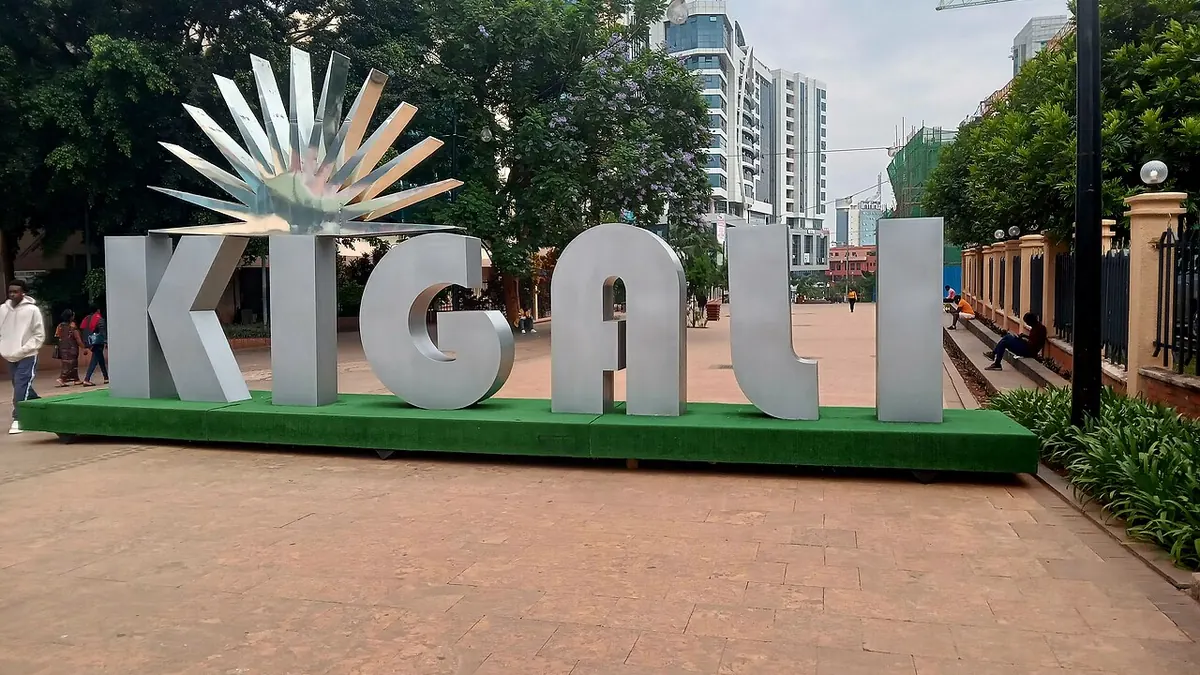
The most rewarding everyday-life stops in Kigali are Kimironko Market, the Nyamirambo neighborhood and the city's contemporary art galleries, each showing a different side of the capital.
Kimironko Market
Kimironko is the city's busiest market, with fruit, vegetables, spices, baskets and a large section of colorful African wax-print fabrics. Tailors in the market can sew clothes or bags from fabric you choose, often within a day or two, so go early in your weekend if you want something made.
Nyamirambo
Nyamirambo is one of Kigali's oldest and most lively neighborhoods, with a large Muslim community, the Green Mosque, small eateries and busy streets. The Nyamirambo Women's Center runs walking tours led by local women that include a home-cooked lunch, a good way to see the area respectfully.
Art galleries
The Inema Arts Center in Kacyiru is the best-known contemporary art space in the city, with rotating exhibitions, resident artists and a shop. Niyo Art Gallery is another popular stop for paintings and crafts. Both are good for a relaxed afternoon and suit families.
Kandt House Museum
The former home of Richard Kandt, the German colonial official associated with Kigali's founding, now houses a small natural history museum with exhibits on Rwanda's geology and wildlife, and live reptiles that children enjoy.
What are the best things to do in Kigali with kids?
The best things to do in Kigali with kids are outdoor nature parks, the markets, live animals at the Kandt House Museum and active outings on Mount Kigali, kept short with plenty of breaks.
- Nyandungu Eco-Park: a restored urban wetland with walking paths, birdlife and picnic spots, ideal for a morning outing.
- Umusambi Village: a wetland sanctuary for endangered grey crowned cranes, with easy trails and birdwatching.
- Mount Kigali: the hill above the city has viewpoints and the Fazenda Sengha adventure park, which offers activities such as horse riding and ziplining; check age limits in advance.
- Kimironko Market: fresh fruit, snacks and a lively but manageable atmosphere.
- Car Free Day: traffic-free roads for walking, scooting or cycling.
The Genocide Memorial is not suitable for young children; older children and teens can visit with preparation. Kigali is hilly, so carry a light carrier rather than relying only on a stroller, and use taxis between sights.
What can you do in Kigali at night?
Kigali at night is about relaxed dinners, rooftop bars, hotel lounges and live music on weekends rather than wild clubbing. The liveliest areas are Kimihurura, Kacyiru, Kiyovu and Nyarutarama, all a short taxi ride from each other.
- Rooftop dinner: several hotels and restaurants in Kiyovu and Kimihurura have terraces with views over the city's lights.
- Live music and events: weekend nights often feature live bands, DJ sets or cultural performances; check venue social media pages and local event listings on Friday.
- Sports: BK Arena hosts basketball games, concerts and large events; see what is scheduled for your dates.
- Nyamirambo evenings: casual street food and local bars with a more neighborhood feel.
Kigali is widely considered one of the safer capitals in Africa, but use a registered taxi or a ride-hailing app at night instead of walking long distances on poorly lit roads. Moto-taxis are common and riders provide helmets, but a car is the more comfortable choice after dark.
Practical tips for a weekend in Kigali from Israel
To enjoy Kigali this weekend, sort out entry, health and transport in advance: check visa and health rules, book a hotel in a central district, and plan short taxi hops between hills.
- Entry: Rwanda offers visas on arrival or online for many nationalities, but rules change, so confirm the current requirements for Israeli passport holders on Rwanda's official immigration website and check Israeli National Security Council (NSC) and Foreign Ministry travel advice.
- Flights: routes from Tel Aviv to Kigali usually connect through hubs such as Addis Ababa, Nairobi, Istanbul or the Gulf; check current schedules, as options change often.
- Health: visit an Israeli travel clinic about malaria prevention, vaccines and yellow fever certificate rules, which depend on your route.
- Plastic bags: Rwanda bans single-use plastic bags, and they may be confiscated at the airport.
- Money: hotels and many restaurants accept cards, but carry some Rwandan francs for markets, tips and moto-taxis.
- Weather: Kigali is mild all year thanks to its altitude, but the main rainy seasons are roughly March to May and October to November, so pack a light rain jacket.
- Kosher and Shabbat: there is no large local Jewish community, so check with the regional Chabad house or Jewish community well before travel and plan to bring some food.
FAQ
What is Umuganda in Kigali?
Umuganda is Rwanda's national community-service morning, held on the last Saturday of each month. Shops and businesses close, traffic is restricted and residents join local work projects until late morning. Tourists should avoid scheduling transfers or tours then and start sightseeing after lunch.
How long should you spend at the Kigali Genocide Memorial?
Plan at least two hours at the Kigali Genocide Memorial in Gisozi, and more if you want to sit in the gardens. The exhibitions are emotionally intense, so many visitors go in the morning and keep the rest of the day lighter, with a market or gallery visit.
Is Kigali safe for tourists at night?
Kigali is generally regarded as one of the safest capitals in Africa, with low street crime and a visible police presence. At night, use registered taxis or ride-hailing apps rather than walking long distances on unlit roads, and keep standard precautions with phones and valuables.
What can families with children do in Kigali on a weekend?
Families can walk the wetland paths at Nyandungu Eco-Park, see grey crowned cranes at Umusambi Village, browse Kimironko Market, visit the live reptiles at the Kandt House Museum and enjoy Car Free Day mornings. Keep each outing short, because the hills are tiring for small children.
Do Israelis need a visa for Rwanda?
Rwanda has an open visa policy, with visas on arrival or online for many nationalities, but conditions and fees change. Israeli passport holders should confirm current rules on Rwanda's official immigration website before flying and also review Israeli National Security Council travel advice for Rwanda and any transit countries.
When is the best time to visit Kigali?
Kigali has a mild climate all year because of its altitude. The drier months, roughly June to September and December to February, are the most comfortable for sightseeing and gorilla trips. March to May brings the heaviest rain, but showers usually pass quickly.