Kilimanjaro Climb Itinerary: Routes and a Day-by-Day Plan
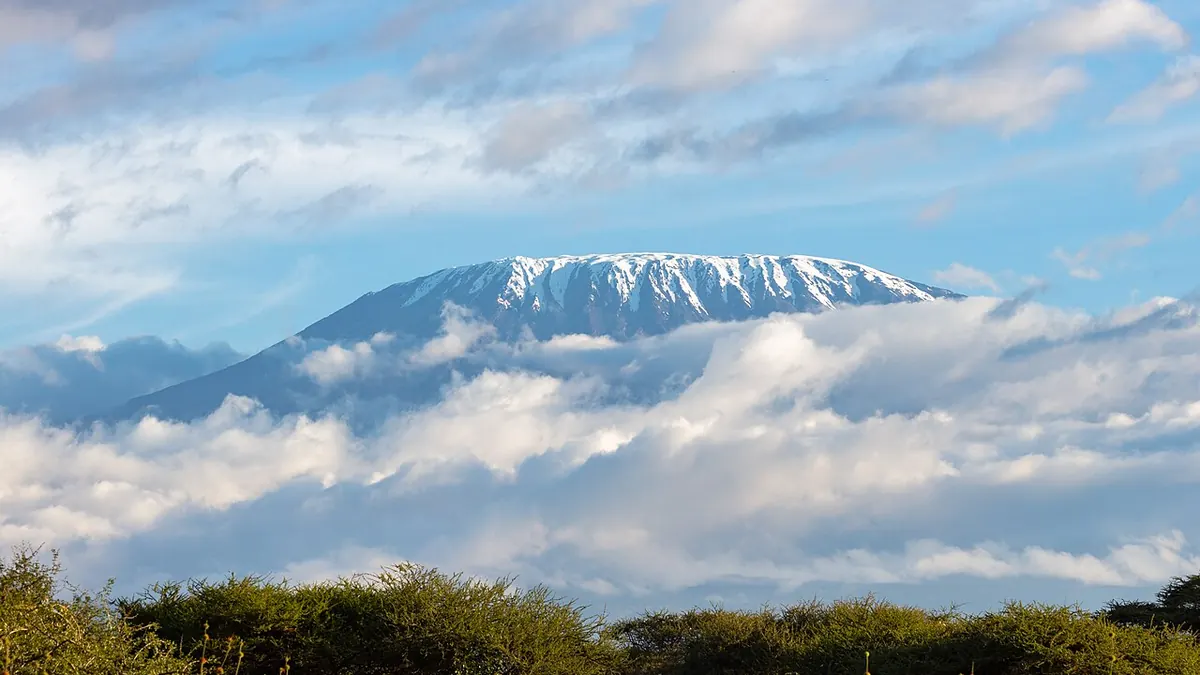
A good Kilimanjaro climb itinerary lasts 7 to 9 days, because a slow ascent improves acclimatization and summit chances. The 8-day Lemosho route is the best all-round choice for first-timers, running from the western gate over the Shira Plateau and Lava Tower to Barafu Camp and a night summit push to Uhuru Peak.
In this guide
- Which Kilimanjaro climb itinerary should you choose?
- What does an 8-day Lemosho itinerary look like day by day?
- How does summit day work on Kilimanjaro?
- When is the best time to climb Kilimanjaro?
- What should you check before you book a Kilimanjaro operator?
- What mistakes should you avoid on a Kilimanjaro climb?
- Should you add a safari to your Kilimanjaro itinerary?
Which Kilimanjaro climb itinerary should you choose?
The best Kilimanjaro itinerary for most first-timers is an 8-day Lemosho or a 7-day Machame climb, because a slower ascent gives your body time to adjust to the altitude and raises your chances of reaching the summit.
| Route | Typical length | Who it suits |
|---|---|---|
| Lemosho | 7 to 8 days | Best all-round choice: scenic, gradual, less crowded early on |
| Machame | 6 to 7 days | Popular and scenic, but steeper in the middle days |
| Rongai | 6 to 7 days | Approach from the north, quieter and often drier |
| Marangu | 5 to 6 days | Sleeps in huts, but the short schedule leaves little time to acclimatize |
| Northern Circuit | 9 to 10 days | Longest and most gradual, with the best acclimatization |
Lengths vary by operator, so always ask for the exact number of nights and the camps on the plan. Marangu can look easy because it has huts, but the compressed schedule often makes it harder. Any plan that feels too short is probably cutting the most important part: acclimatization.
The summit, Uhuru Peak, is at 5,895 meters, so altitude sickness is a real risk even for fit hikers. Talk to a doctor about altitude medication well before you go.
What does an 8-day Lemosho itinerary look like day by day?
An 8-day Lemosho itinerary starts at the western gate, crosses the Shira Plateau, goes over Lava Tower to Barranco, and climbs to the summit from Barafu Camp on day seven.
| Day | Route | Notes |
|---|---|---|
| 1 | Lemosho Gate to forest camp | Short walk through rainforest |
| 2 | Forest to Shira 1 Camp | Leave the forest, reach moorland |
| 3 | Shira 1 to Shira 2 Camp | Gentle plateau day |
| 4 | Shira 2 to Lava Tower, then Barranco Camp | "Climb high, sleep low" |
| 5 | Barranco Wall to Karanga Camp | Short day with a scramble |
| 6 | Karanga to Barafu Camp | Rest before the summit push |
| 7 | Summit night, Uhuru Peak, descent to Mweka Camp | The hardest day, about 12 to 16 hours of walking |
| 8 | Mweka Camp to Mweka Gate | Long downhill, then transfer to your hotel |
Camp names and the exact sequence can change slightly between operators and between 7-, 8- and 9-day versions. The 7-day version removes one Shira day, while a 9-day plan adds an extra acclimatization night. Lemosho later merges with the Machame route, so the upper mountain looks similar.
Plan to arrive in Moshi or Arusha at least a day before the climb for a briefing and a gear check. Add at least a spare day after the descent for rest or the flight home.
How does summit day work on Kilimanjaro?
Summit day starts around midnight from high camp, usually Barafu on Lemosho and Machame, with a slow, steady climb in the dark to Stella Point and Uhuru Peak, followed by a long descent the same day.
You walk in single file with a headlamp, following your guide's slow rhythm. The goal is not speed but steady, short steps. You reach the crater rim around sunrise, where temperatures can be far below freezing, and then continue to Uhuru Peak. You spend only a few minutes on top before descending, first to the high camp for a rest, then on to a lower camp to sleep.
- Cold: wear several warm layers, a windproof shell, insulated gloves and a warm hat.
- Fatigue and nausea: common at this altitude; tell your guide early if you feel unwell.
- Poles: help on the steep final section and the long, loose descent.
- Water: insulated bottles keep drinks from freezing.
The guides will decide whether to continue or turn back. Follow their advice, because severe altitude sickness can get worse quickly, and descending is the treatment.
When is the best time to climb Kilimanjaro?
The best times to climb Kilimanjaro are the two dry seasons, roughly January to early March and June to October, when the trails are clearer and the weather is more stable.
The long rains fall roughly from March to May, and shorter rains arrive around November. The mountain has its own weather at any time of year, so you need waterproof clothing and warm layers regardless of the month. For Israeli travelers, the Jewish holiday periods in September and October often fall in the dry season, so book early for popular dates.
- June to October: clear skies and colder nights, busiest months.
- January to March: warm and dry, with quieter trails in the early months.
- April, May and November: rain, mud and low visibility, but quiet trails.
What should you check before you book a Kilimanjaro operator?
Choose a licensed operator that provides registered guides, fair porter treatment, enough food and a clear emergency plan, because the itinerary is only as good as the team behind it.
- Is the company licensed, and are guides trained in altitude and first aid?
- How many porters are included, and does the company follow recognized porter welfare guidelines, such as those promoted by the Kilimanjaro Porters Assistance Project?
- What is included: park fees, camping or hut fees, meals, hotel nights and airport transfers?
- Is there oxygen or a pulse oximeter on the mountain, and what is the evacuation plan?
- Can they handle dietary needs?
Independent trekking is not allowed on Kilimanjaro, and you need a licensed guide. Ask for a full day-by-day plan with camp names, hours of walking and the acclimatization profile, not only the route name. Check whether the quote includes tips, which are customary for guides and porters, and whether travel insurance with high-altitude cover is required.
For travelers from Israel, there is no simple flight, so you will connect through a regional hub, and the route and schedule vary by season. Check current options and read the official Tanzanian entry requirements for Israeli passport holders, including any visa rules and a yellow fever certificate if required by your routing. Also check the Israeli National Security Council and Foreign Ministry guidance before you book. For kosher food and Shabbat arrangements, contact the local Jewish community or Chabad house in advance and plan to bring supplies for the mountain.
What mistakes should you avoid on a Kilimanjaro climb?
The biggest mistake is choosing the shortest and cheapest itinerary, since altitude, not distance, is the real challenge.
- Too few days: a 5- or 6-day trek leaves little time to acclimatize and lowers your odds of reaching the top.
- Vague packages: a plan that does not name the route, camps and number of nights is a red flag.
- Underestimating summit night: it is a long, cold, exhausting climb, not just another day of hiking.
- Poor gear: boots that are not broken in, no warm layers or no rain gear can end a trek.
- Not training: walk with a loaded daypack for several hours and do back-to-back hiking days before the trip.
- Racing on the first days: the Swahili advice "pole pole" means slowly, slowly, and it is the best rule on the mountain.
Should you add a safari to your Kilimanjaro itinerary?
A standalone trek is best if the mountain is your main goal, while a safari after the climb makes sense if you want a broader Tanzania trip, because you can rest your legs before long drives.
A mountain-only plan keeps logistics simple. A safari adds extra days and transfers, but the Serengeti, Ngorongoro Crater and Tarangire National Park are all reachable from Arusha. Most people put the safari after the trek, so that a delay on the mountain does not affect safari bookings, and so that the climb is done when you are still fresh.
- Climb first: better for recovery, with a spare day built in before the safari.
- Safari first: works if you want the climb at the end, but you will be tired before the hardest week.
Leave buffer days before flights home, because weather and altitude can change the schedule.
FAQ
What is the best Kilimanjaro climb itinerary for first-timers?
An 8-day Lemosho or a 7-day Machame climb is usually best for first-timers. Both climb gradually, include a high-then-low acclimatization day at Lava Tower, and give you more time to adjust. The Northern Circuit is even slower if you have 9 to 10 days.
Is a 5-day Kilimanjaro itinerary enough?
A 5-day itinerary, usually on the Marangu route, is very demanding. It leaves little time to adjust to the altitude, and many climbers do better with 7 to 9 days. The extra days cost more but noticeably improve your chances of reaching the summit.
What is the Lemosho route itinerary?
Lemosho starts at the western side of the mountain, crosses the Shira Plateau, passes Lava Tower and Barranco, then climbs from Barafu Camp to Uhuru Peak. In its 8-day version it descends via Mweka. Camp stops vary slightly by operator and trek length.
Is the Lemosho route better than Machame?
Lemosho is usually less crowded at the start and has a more gradual profile, so many guides prefer it for acclimatization. Machame is shorter and popular. The two routes share the upper mountain, so your fitness, time and budget should decide.
Can I combine Kilimanjaro with a safari?
Yes. Most travelers climb first, rest for a day or two, then take a safari to the Serengeti, Ngorongoro Crater or Tarangire. This protects the climb from schedule problems and lets you recover before long drives, though it adds days and cost to the trip.
What should Israelis check before climbing Kilimanjaro?
Check the official Tanzanian entry rules for Israeli passport holders, including any visa or yellow fever requirements, and compare flight connections, since there is no simple route. Read the Israeli National Security Council guidance, buy insurance with high-altitude cover and ask your operator about kosher food.