Ljubljana Itinerary for 5 Days (Plus a 3-Day Version)
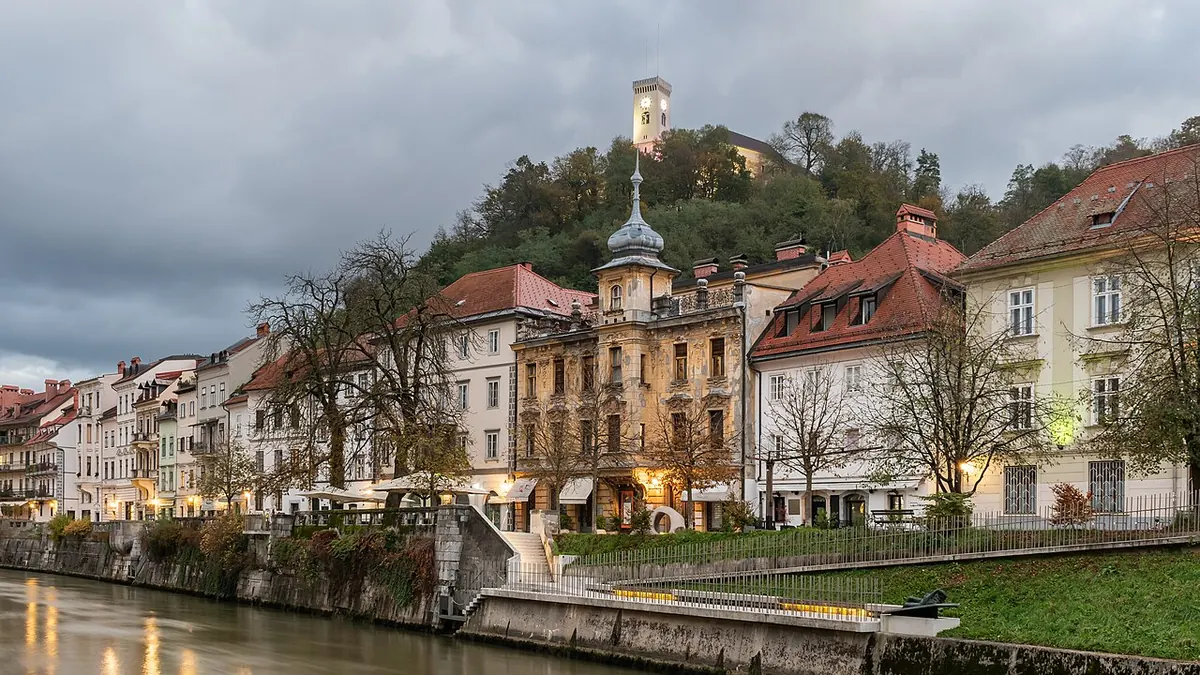
A good Ljubljana itinerary for 5 days uses the city as a base: two days for the Old Town, the castle, the riverside and Tivoli Park, then day trips to Lake Bled, Postojna Cave with Predjama Castle, and Piran on the coast. With 3 days, spend one in the city and add Bled and Postojna.
In this guide
- What does a good 5-day Ljubljana itinerary look like?
- How should you spend each of the 5 days?
- What is the best 3-day Ljubljana itinerary?
- How do you get around Ljubljana and reach the day trips?
- Where should you stay in Ljubljana?
- When is the best time to visit Ljubljana?
- Practical tips for travelers from Israel
- What mistakes should you avoid on a Ljubljana itinerary?
What does a good 5-day Ljubljana itinerary look like?
A good 5-day Ljubljana itinerary spends two days exploring the capital and three days on easy day trips, all from the same hotel. Ljubljana is small, walkable and central, so Slovenia's best-known sights, from Lake Bled to the Postojna Cave and the Adriatic coast, are within roughly one to two hours by bus, train or car.
| Day | Plan | Travel time from Ljubljana |
|---|---|---|
| 1 | Old Town: Prešeren Square, Triple Bridge, Central Market, Dragon Bridge, Ljubljana Castle | On foot |
| 2 | Tivoli Park, National and University Library, Trnovo, river boat, Metelkova | On foot |
| 3 | Lake Bled: island, castle, lakeside walk; optional Lake Bohinj | About 1 hour |
| 4 | Postojna Cave and Predjama Castle (or Škocjan Caves) | About 1 hour |
| 5 | Piran on the coast, or a slower day in the city | About 1.5 to 2 hours |
If you prefer a lighter pace, swap Day 5 for a relaxed day in Ljubljana or a short half-day trip to Škofja Loka, a well-preserved medieval town about half an hour away.
How should you spend each of the 5 days?
Spend the first two days on foot in central Ljubljana, then use the remaining three for the lakes, the caves and the coast.
Day 1: Old Town and Ljubljana Castle
Start at Prešeren Square, the city's main meeting point, and cross the Triple Bridge into the Old Town. Much of the architecture you see is the work of Jože Plečnik, the architect who shaped modern Ljubljana. Browse the open-air Central Market and Plečnik's riverside colonnades, then walk to the Dragon Bridge and back along the Ljubljanica River via the Butchers' Bridge. In the afternoon, take the funicular or walk up to Ljubljana Castle for views over red roofs to the Alps, ideally around sunset.
Day 2: Tivoli Park, Plečnik's Ljubljana and Metelkova
Begin with a walk in Tivoli Park, the city's large green space, and climb Rožnik hill if you want a short forest hike. Then see the National and University Library, another Plečnik landmark, and continue to the quiet Trnovo district, where Plečnik's house is now a museum. Take a short boat ride on the Ljubljanica in the late afternoon, and finish at Metelkova, an alternative culture zone in former army barracks, known for street art and evening events.
Day 3: Lake Bled
Buses from the Ljubljana bus station reach Bled in about an hour. Take a traditional pletna boat to the island church, walk the roughly 6 km path around the lake, climb to Bled Castle and try the local cream cake. If you have energy, continue to the larger, quieter Lake Bohinj, or visit the Vintgar Gorge boardwalk, which is seasonal and requires checking current access rules.
Day 4: Postojna Cave and Predjama Castle
Postojna Cave is one of Europe's most visited show caves, toured partly by an underground train. Combine it with Predjama Castle, built into a cliff a short drive away; public transport between the two is limited, so a car, tour or seasonal shuttle helps. If you prefer a wilder experience, choose the Škocjan Caves, a UNESCO World Heritage Site with a dramatic underground canyon.
Day 5: Piran or a slow city day
Piran is a Venetian-style town on Slovenia's short Adriatic coastline, with a main square, narrow lanes and sea views from the old town walls. It makes a long but rewarding day trip. Alternatively, keep the last day for museums, cafés and the riverside in Ljubljana.
What is the best 3-day Ljubljana itinerary?
The best 3-day Ljubljana itinerary gives one full day to the city and one day each to Lake Bled and the Postojna Cave.
- Day 1: Old Town, Central Market, Triple Bridge, Dragon Bridge and Ljubljana Castle, with an evening river walk.
- Day 2: Lake Bled, with an optional afternoon at Lake Bohinj.
- Day 3: Postojna Cave and Predjama Castle in the morning, back to Ljubljana for Tivoli Park or Metelkova in the evening.
With only 1 or 2 days, stay in the city for the first day and add Bled on the second. With 4 days, add Day 2 of the 5-day plan. With a week, add the Soča Valley, the Vršič Pass in summer, or an overnight stay in Piran; the Soča Valley is too far for a comfortable day trip without a car or tour.
How do you get around Ljubljana and reach the day trips?
Walk in the city center, and use intercity buses, trains, tours or a rental car for day trips.
- In the city: the center is largely car-free and compact enough to cover on foot. City buses use a rechargeable Urbana card, and small electric vehicles offer short rides within the pedestrian zone.
- To Bled: buses run directly to the town from the main bus station, which is next to the train station.
- To Postojna: trains and buses run from Ljubljana; Predjama Castle is easier with a car or tour.
- To Piran: direct buses run to the coast; check the schedule in advance, especially outside summer.
- Car rental: useful for combining Bled with Bohinj, or Postojna with Predjama, in one day. Slovenian motorways require an electronic vignette.
Where should you stay in Ljubljana?
Stay in or near the Old Town for this itinerary, so you can walk to the sights in the evening and reach the bus and train stations easily.
- Old Town and the riverbanks: the most atmospheric location, close to restaurants and the castle.
- Center north of the river: around Prešeren Square and toward the stations; practical for early day-trip departures.
- Trnovo and Krakovo: quiet, residential and still within walking distance.
Hotels in the center are limited, so book early for summer and the December holiday season.
When is the best time to visit Ljubljana?
The best time for this itinerary is from May to September, when the weather is warm, the lakes are at their best and mountain roads are open; December is a good choice for festive lights and markets.
| Season | Weather | What it means for the plan |
|---|---|---|
| Spring (April to May) | Mild, some rain | Fewer crowds; good for walking and caves |
| Summer (June to August) | Warm to hot | Best for Bled, Bohinj and Piran; busiest season |
| Autumn (September to October) | Mild, colorful | Excellent all-round; fewer visitors after September |
| Winter (November to March) | Cold, sometimes snowy | Festive December; some seasonal sights and high passes close |
The caves stay at a cool, steady temperature year-round, so bring a jacket even in summer.
Practical tips for travelers from Israel
Check flights and entry rules before you book, then plan Shabbat and food around a small Jewish community.
- Flights: check current schedules for direct flights from Tel Aviv to Ljubljana, which have not always operated year-round. Alternatives include flying to Zagreb, Venice or Trieste and continuing by road.
- Entry: Slovenia is in the Schengen Area. Israeli passport holders can generally visit visa-free for short stays, but EU border systems are changing, including the Entry/Exit System and the planned ETIAS travel authorization. Check official EU sources and Israeli National Security Council and Foreign Ministry advice.
- Money: Slovenia uses the euro, and cards are widely accepted.
- Kosher and Shabbat: Ljubljana's Jewish community is small; check with the local Jewish community or Chabad house about kosher food and Shabbat arrangements, and consider an apartment with a kitchen.
- Shabbat planning: the walkable center makes Shabbat easy; schedule day trips for weekdays.
What mistakes should you avoid on a Ljubljana itinerary?
The most common mistakes are trying to combine too many day trips in one day, underestimating the Soča Valley's distance and staying too far from the center.
- Combining Bled, Postojna and Piran in one day: each deserves most of a day.
- Planning the Soča Valley as a quick trip: without a car or tour it is a very long day.
- Not checking seasonal access: some gorges, mountain roads and shuttles operate only part of the year.
- Leaving the center in the evening: the riverside cafés and lit-up bridges are among Ljubljana's highlights.
- No rainy-day plan: the caves, museums and the National Gallery are good backups.
With one comfortable base and well-chosen day trips, five days in Ljubljana give you a relaxed capital, alpine lakes, underground caves and the sea in a single trip.
FAQ
Is 5 days in Ljubljana too long?
Not if you use the city as a base. Two days are enough for Ljubljana itself, and the other three work well for day trips to Lake Bled, the Postojna Cave with Predjama Castle and Piran on the coast. Staying in one hotel keeps the trip relaxed without daily packing.
What can you do in Ljubljana in 3 days?
In three days, spend one day in the city on the Old Town, Central Market, the bridges and Ljubljana Castle. On the second day go to Lake Bled, and on the third visit the Postojna Cave and Predjama Castle before returning for an evening by the Ljubljanica River.
How do you get from Ljubljana to Lake Bled?
The easiest option is a direct bus from the Ljubljana bus station, which takes about an hour and stops in Bled town. Trains run to Lesce-Bled station, but it is outside town. A rental car or tour is useful if you also want to visit Lake Bohinj or the Vintgar Gorge.
Should I visit Postojna Cave or Škocjan Caves?
Choose Postojna if you want an easy, family-friendly visit with an underground train and the nearby cliffside Predjama Castle. Choose the Škocjan Caves, a UNESCO site, for a more dramatic walk through a huge underground canyon. Seeing both in one day is possible but tiring.
Can you see Slovenia from Ljubljana without a car?
Yes, for the main highlights. Buses run to Bled and Piran, and trains and buses reach Postojna. A car or organized tour makes it easier to add Predjama Castle, Lake Bohinj or the Soča Valley, which are less convenient by public transport, especially outside the summer season.
Do Israelis need a visa for Slovenia?
Israeli passport holders can generally visit Slovenia and the rest of the Schengen Area visa-free for short tourist stays. EU border procedures are changing with the Entry/Exit System and planned ETIAS authorization, so check official EU sources and Israeli National Security Council advice before you travel.