Mumbai Itinerary for 4 Days
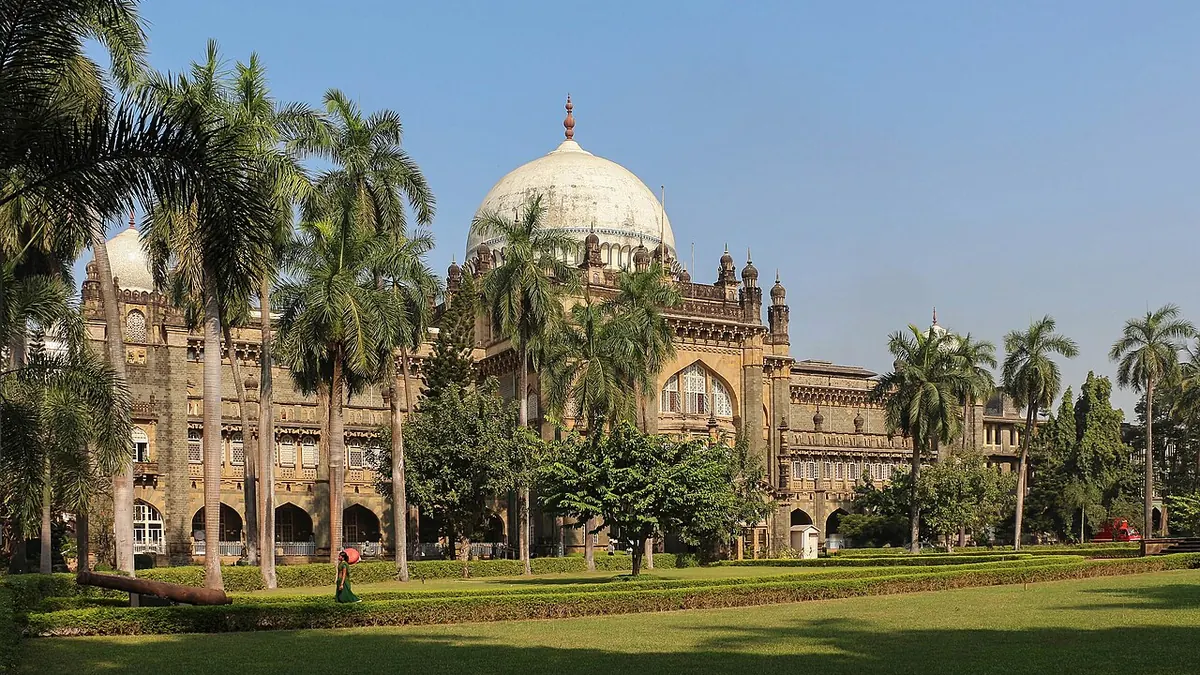
A good Mumbai itinerary for 4 days groups sights by area: Colaba and the Gateway of India on day 1, the Fort heritage district and Marine Drive on day 2, the Elephanta Caves on day 3, and Bandra and Juhu on day 4. With 7 days, add Haji Ali, Kanheri Caves and a day trip to Lonavala.
In this guide
What is the best Mumbai itinerary for 4 days?
The best Mumbai itinerary for 4 days covers one area per day, starting with Colaba and the Fort district in South Mumbai, adding a boat trip to the Elephanta Caves, and finishing in the western suburbs of Bandra and Juhu.
Mumbai is a long, narrow peninsula, and traffic between its southern tip and the suburbs can be slow at almost any hour. Grouping sights geographically is the single biggest factor in how much you see. South Mumbai holds most of the historic landmarks, including two UNESCO World Heritage sites, while Bandra and Juhu show the modern, cafe-filled side of the city.
| Day | Area | Highlights |
|---|---|---|
| Day 1 | Colaba | Gateway of India, Taj Mahal Palace hotel facade, Colaba Causeway, Kala Ghoda art district |
| Day 2 | Fort and Marine Drive | Chhatrapati Shivaji Maharaj Terminus (CSMT), Oval Maidan, CSMVS museum, Crawford Market, sunset on Marine Drive and Girgaon Chowpatty |
| Day 3 | Elephanta Island | Ferry from the Gateway of India to the rock-cut Elephanta Caves; evening at Banganga Tank or Malabar Hill |
| Day 4 | Bandra and Juhu | Bandra-Worli Sea Link, Bandstand, Mount Mary Basilica, Carter Road, sunset at Juhu Beach |
Day-by-day plan for 4 days in Mumbai
Here is how each day works in practice, with the busiest sights placed early to avoid heat and crowds.
Day 1: Colaba and Kala Ghoda
Start at the Gateway of India in the morning, when the waterfront is calmer, and admire the Taj Mahal Palace hotel across the road. Walk Colaba Causeway for street shopping, then head to Kala Ghoda for galleries and cafes. Kala Ghoda is also home to the Keneseth Eliyahoo Synagogue, a striking blue building that reflects the city’s Baghdadi Jewish heritage.
Day 2: Fort, CSMT and Marine Drive
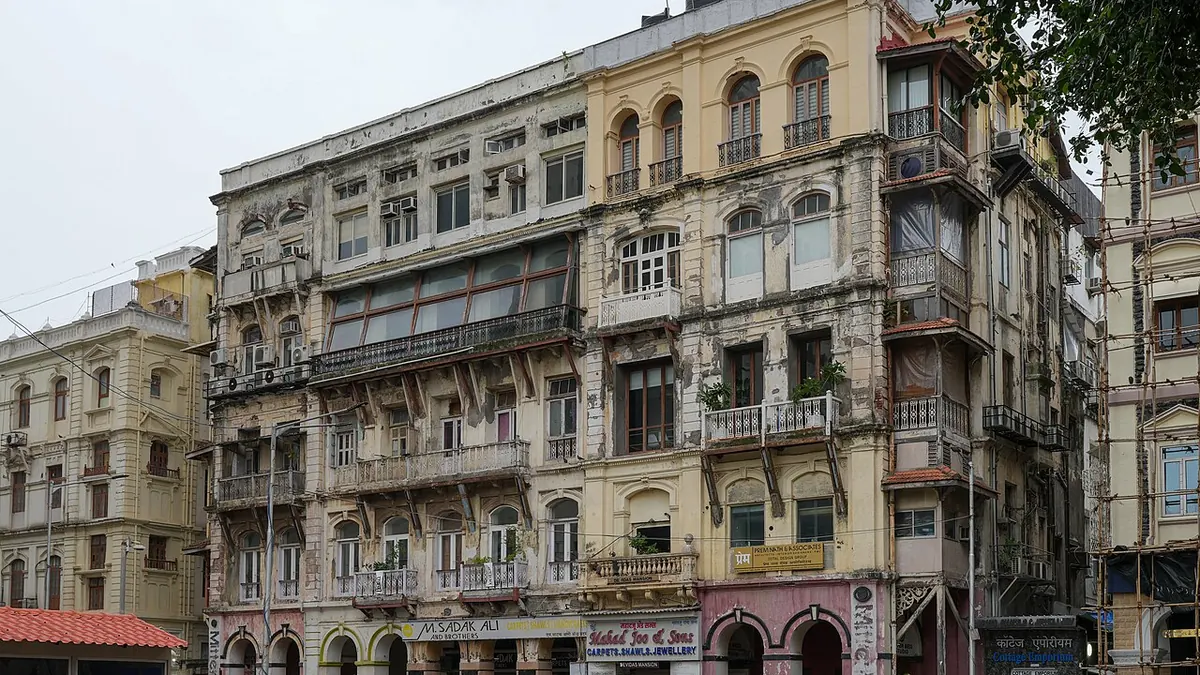
See the Victorian Gothic Chhatrapati Shivaji Maharaj Terminus, the busy railway station that is a UNESCO site, then walk past the Bombay High Court and the Oval Maidan, where Gothic buildings face Art Deco apartment blocks across the cricket grounds. Spend a few hours at the Chhatrapati Shivaji Maharaj Vastu Sangrahalaya (CSMVS) museum, visit Crawford Market, and end on Marine Drive, the curving seafront known as the Queen’s Necklace, followed by street food at Girgaon Chowpatty.
Day 3: Elephanta Caves
Ferries leave from the Gateway of India for Elephanta Island, a ride of about an hour each way. The caves contain large rock-cut sculptures of Shiva, including the famous three-headed Trimurti. The caves are closed one day a week, usually Monday, so check before you go. Back in the city, spend the late afternoon at Banganga Tank on Malabar Hill.
Day 4: Bandra and Juhu
Cross the Bandra-Worli Sea Link by taxi, visit Mount Mary Basilica, and stroll along Bandstand and Carter Road. Bandra’s lanes are full of cafes, murals and boutiques. Finish at Juhu Beach for sunset and street snacks.
How do you extend it to a 7-day Mumbai itinerary?
For a 7-day Mumbai itinerary, keep the four core days and add three slower days: one for spiritual and local Mumbai, one in Sanjay Gandhi National Park, and one day trip into the Western Ghats.
- Day 5 – Local Mumbai: Haji Ali Dargah, the mosque on a causeway that can only be reached at low tide, Mahalaxmi Dhobi Ghat, the huge open-air laundry, and Siddhivinayak Temple in Prabhadevi. A responsibly run guided walk in Dharavi is another option.
- Day 6 – Kanheri Caves: Inside Sanjay Gandhi National Park in the northern suburbs, the Kanheri Caves are a complex of ancient Buddhist rock-cut monasteries. Go early on a weekday.
- Day 7 – Lonavala and Karla Caves: Lonavala is a hill station about two to three hours away by road or train, with the Buddhist Karla Caves nearby. It is greenest during and just after the monsoon.
With more time, many travelers fly to Aurangabad (Chhatrapati Sambhajinagar) for the Ajanta and Ellora Caves, which need at least two days on their own.
Shorter stays
With 1 day, do Colaba, CSMT and Marine Drive. With 2 days, add Kala Ghoda and the museum. With 3 days, add Elephanta or Bandra. With 5 days, add day 5 from the 7-day plan.
When is the best time to visit Mumbai?
The best time to visit Mumbai is from November to February, when the weather is warm, drier and less humid than the rest of the year.
| Season | Months | What to expect |
|---|---|---|
| Cool, dry season | November to February | Most comfortable for sightseeing; peak travel season |
| Hot season | March to May | Hot and very humid; plan outdoor sights for morning and evening |
| Monsoon | June to September | Heavy rain and flooding on some days; Elephanta ferries may be suspended in rough seas |
| Post-monsoon | October | Humid but greener; festival season often begins |
Ganesh Chaturthi, usually in August or September, is the city’s biggest festival, with huge processions to the sea at Girgaon Chowpatty and Juhu. It is spectacular but very crowded.
How do you get around Mumbai?
The easiest way to get around Mumbai is by ride-hailing apps or metered taxis, combined with walking within each neighborhood and the Metro or suburban trains for longer north-south trips.
- Uber and Ola: convenient, priced in advance and widely used by visitors.
- Black-and-yellow taxis: common in South Mumbai; insist on the meter.
- Auto-rickshaws: available only in the suburbs, such as Bandra and Juhu, not in South Mumbai.
- Suburban trains: very fast but extremely crowded at rush hour. Use first-class or women’s compartments where appropriate and avoid peak times.
- Mumbai Metro: a growing network that helps avoid traffic on some routes; check current lines for your trip.
What should travelers from Israel know before going?
Travelers from Israel need an Indian visa before departure, should check current flight options, and should plan for both cards and cash in rupees.
- Visa: Israeli passport holders need a visa for India. An e-Visa is available for tourism; apply only on the official Indian government website, not through unofficial agents, and check the latest rules.
- Flights: direct flights between Tel Aviv and Mumbai have operated at times, while many routes connect via the Gulf or Europe. Check current schedules.
- Travel advisories: check Israeli National Security Council and Foreign Ministry travel warnings for India before you travel.
- Money: cards and UPI-based payments dominate in the city, but visitors often struggle to use UPI, so carry some rupees for taxis, street food and markets.
- Health: drink bottled or filtered water and ask your doctor about recommended vaccinations before the trip.
- Kosher and Shabbat: Mumbai has a long-established Jewish community; check with the local Jewish community or Chabad house about current kosher food and Shabbat arrangements.
Where should you stay in Mumbai?
For a 4-day itinerary, stay in South Mumbai, in Colaba or Fort, because three of the four days start there and you will avoid long daily commutes.
- Colaba and Fort: walkable to the Gateway of India, Kala Ghoda and CSMT; the best base for first-timers.
- Marine Drive and Churchgate: sea views and easy access to both Fort and Chowpatty.
- Bandra: a good choice for a longer stay or if you prefer nightlife and cafes, but further from the heritage sights.
- Near the airport: useful only for a late arrival or early departure.
Common mistakes to avoid
- Crossing the city several times in one day.
- Planning Elephanta for a Monday or a stormy monsoon day.
- Riding suburban trains at rush hour with luggage.
- Scheduling outdoor walks at midday in the hot season.
- Arriving without an approved visa.
FAQ
Is 4 days enough for Mumbai?
Four days is enough for a rewarding first visit if you focus on one area per day. You can see Colaba and the Gateway of India, the Fort district with CSMT and Marine Drive, the Elephanta Caves, and the western suburbs of Bandra and Juhu without spending most of your time in traffic.
What should a 7-day Mumbai itinerary include?
A week in Mumbai adds Haji Ali Dargah, Mahalaxmi Dhobi Ghat and Siddhivinayak Temple, a morning at the Kanheri Caves in Sanjay Gandhi National Park, and a day trip to the hill station of Lonavala with the Karla Caves. Travelers with even more time often fly on to Ajanta and Ellora.
How long does a visit to the Elephanta Caves take?
Plan for at least half a day. The ferry from the Gateway of India takes about an hour each way, and exploring the island and caves takes another two hours or more. The caves usually close on Mondays, and boats may stop running in rough monsoon weather.
Where is the best area to stay for four days in Mumbai?
Colaba or the Fort area of South Mumbai is the most convenient base for a short trip, as most historic sights, museums and the Elephanta ferry are within walking distance or a short taxi ride. Bandra is better for longer stays or travelers more interested in cafes and nightlife.
When should you avoid visiting Mumbai?
The monsoon from June to September brings heavy rain, waterlogged streets and occasional ferry cancellations, while March to May is hot and humid. For sightseeing, November to February is the most comfortable period, though it is also the busiest and most expensive time for hotels.
Do Israelis need a visa to visit Mumbai?
Israeli passport holders need a visa to enter India. Tourists can usually apply online for an e-Visa through the official Indian government portal before departure. Check current requirements and processing times well in advance, and review Israeli National Security Council travel advisories before booking.