Phnom Penh itinerary for 5 days (and how to do it in 4)
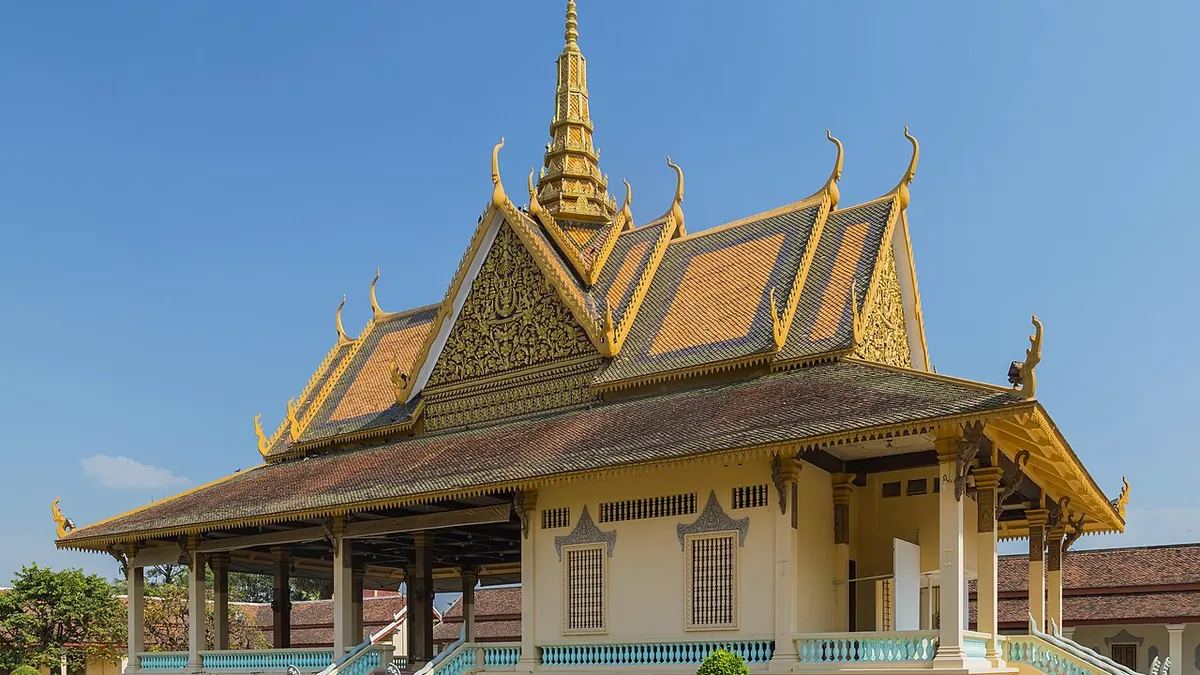
A Phnom Penh itinerary for 5 days covers the Royal Palace and National Museum, the Tuol Sleng and Choeung Ek memorials, Central and Russian markets, a Mekong sunset cruise and day trips to Koh Dach and Oudong. With 4 days, drop one day trip. Start early, rest at midday and use Grab or tuk-tuks.
In this guide
- What is the best 5-day Phnom Penh itinerary?
- Day 1: How do you start in Phnom Penh?
- Day 2: What should you see at the Royal Palace and National Museum?
- Day 3: How should you visit Tuol Sleng and Choeung Ek?
- Day 4: Which markets and neighborhoods are worth your time?
- Which day trips from Phnom Penh fit a 5-day itinerary?
- Practical tips for Israeli travelers in Phnom Penh
What is the best 5-day Phnom Penh itinerary?
The best 5-day Phnom Penh itinerary spends two days on the city's royal and historical core, one day on markets and neighborhoods, and two days on easy trips outside the city, with midday breaks to escape the heat.
| Day | Morning | Afternoon and evening |
|---|---|---|
| 1 | Arrival, Independence Monument, Wat Ounalom | Sisowath Quay riverside walk, sunset cruise on the Mekong and Tonle Sap |
| 2 | Royal Palace and Silver Pagoda | National Museum of Cambodia, Wat Phnom, dinner on Bassac Lane |
| 3 | Tuol Sleng Genocide Museum (S-21) | Choeung Ek Genocidal Center, quiet evening |
| 4 | Central Market (Phsar Thmei) | Russian Market (Tuol Tom Poung), cafés in BKK1, Khmer cooking class |
| 5 | Koh Dach (Silk Island) or Oudong | Return to the city, final riverside dinner |
For a 4-day trip, combine Day 1 and Day 4 by doing the Central Market on arrival day and the Russian Market on Day 2 after the National Museum, then keep one day trip. If you are continuing to Siem Reap, five days in Phnom Penh is generous; many travelers spend three days here and the rest at Angkor.
Day 1: How do you start in Phnom Penh?
Start with an easy orientation day along the riverfront, where the Tonle Sap meets the Mekong, because it is central, walkable and best enjoyed in the cooler late afternoon.
After checking in, visit the Independence Monument, a lotus-shaped tower built after Cambodia's independence from France, and walk along the park toward the river. Wat Ounalom, the headquarters of Cambodian Buddhism, sits near the riverfront and is a calm first temple visit. In the evening, stroll Sisowath Quay, where locals exercise and families gather, then take a sunset boat cruise; many small boats leave from the riverside piers. It is an easy way to see the city skyline and the meeting of the rivers without much effort after a long journey from Israel.
Day 2: What should you see at the Royal Palace and National Museum?
On Day 2, see the Royal Palace complex and its Silver Pagoda in the morning, then the National Museum of Cambodia next door, since both sit together near the riverfront.
The Royal Palace is still the official residence of the King of Cambodia, so only parts of the grounds are open to visitors, including the Throne Hall area and the gardens. The neighboring Silver Pagoda takes its name from the silver tiles covering its floor and houses many precious Buddha statues. A strict dress code applies: shoulders and knees must be covered.
The terracotta-red National Museum of Cambodia holds the country's finest collection of Khmer sculpture, including many pieces from the Angkor period, which makes it excellent preparation for Siem Reap. Its central courtyard garden is a peaceful place to rest. In the late afternoon, climb the steps to Wat Phnom, the small hill and temple that gave the city its name. In the evening, Bassac Lane offers small bars and restaurants in a compact alley.
Day 3: How should you visit Tuol Sleng and Choeung Ek?
Visit Tuol Sleng in the morning and Choeung Ek in the afternoon, ideally with the audio guide at each, and keep the rest of the day quiet, because both sites are emotionally demanding.
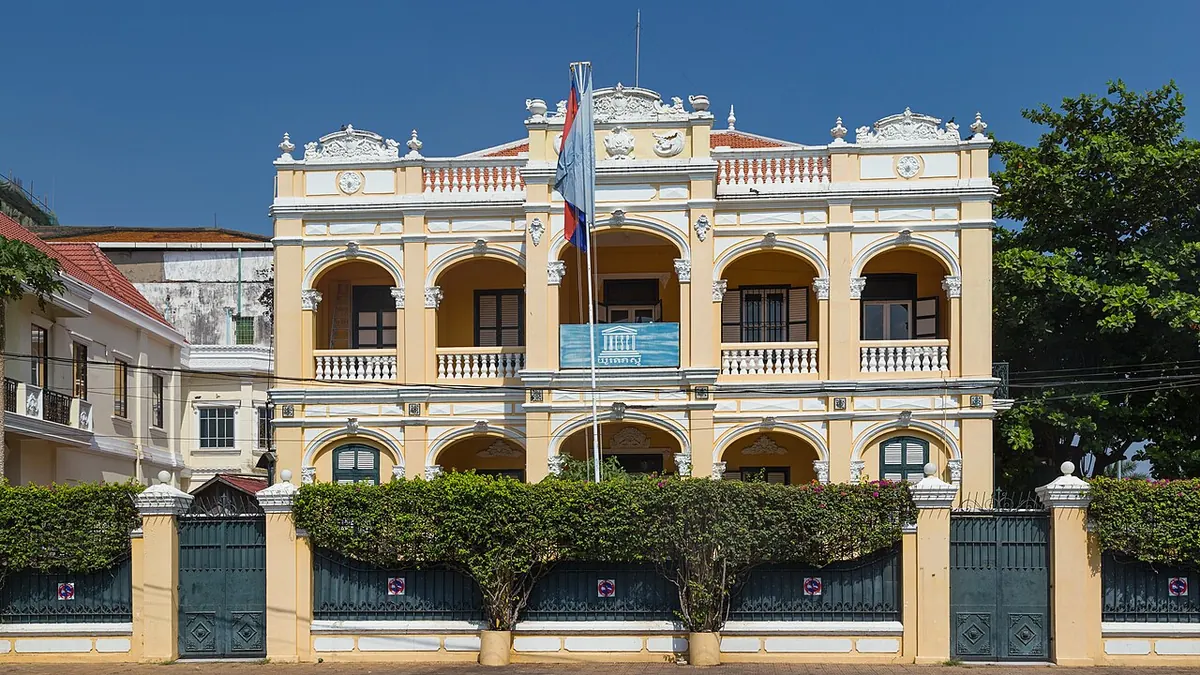
The Tuol Sleng Genocide Museum is a former high school that the Khmer Rouge turned into Security Prison 21 (S-21), where thousands of people were detained and tortured between 1975 and 1979. The cells, photographs of prisoners and personal stories are deeply affecting. The Choeung Ek Genocidal Center, about 15 kilometers south of the center, is the best known of the killing fields, with a memorial stupa holding thousands of skulls. The audio tour there is widely praised.
Hire a tuk-tuk for the whole afternoon so the driver can wait at Choeung Ek and bring you back. Dress modestly, keep your voice low and be thoughtful with photography. Many Israeli visitors find these sites resonate strongly with Jewish memory of genocide. These visits are not suitable for young children.
Day 4: Which markets and neighborhoods are worth your time?
Use Day 4 for Phnom Penh's two famous markets and its café neighborhoods, which show everyday life after the heavier history of Day 3.
- Central Market (Phsar Thmei): a striking yellow Art Deco building with a huge central dome, selling jewelry, clothes, souvenirs and street food. Go early, before the heat builds.
- Russian Market (Phsar Tuol Tom Poung): a maze of stalls with fabrics, crafts, spare parts and local food. It gets hot inside, so start at the food section with an iced coffee.
- BKK1 and Tuol Tom Poung: neighborhoods full of cafés, boutiques and restaurants, good for a midday break.
- Khmer cooking class: several schools in the city teach dishes such as fish amok and include a market visit.
In the evening, check whether a traditional dance or performing arts show is running during your stay; programs change seasonally.
Which day trips from Phnom Penh fit a 5-day itinerary?
The day trips that fit best are Koh Dach (Silk Island), the former royal capital of Oudong and the Phnom Tamao Wildlife Rescue Centre, all reachable in roughly an hour or less from the city depending on traffic.
- Koh Dach (Silk Island): a rural island in the Mekong just north of the city, where you can see silk weaving and village life. Go by tuk-tuk and a short local ferry, or join a cycling tour.
- Oudong: the royal capital before Phnom Penh, with hilltop stupas and wide views over the countryside, about 40 kilometers north.
- Phnom Tamao Wildlife Rescue Centre: a rescue center for animals such as sun bears, gibbons and elephants south of the city, good for families.
- Tonle Bati and Phnom Chisor: Angkor-era temples south of Phnom Penh, a taste of Khmer temple architecture if you will not reach Siem Reap.
Kampot and Kep on the southern coast are too far for a comfortable day trip; plan at least one or two nights there. Siem Reap is about a day's journey by road, or a short flight.
Practical tips for Israeli travelers in Phnom Penh
The key tips for Israelis are to arrange the visa officially, plan around the heat and rainy season, carry US dollars in small notes and use ride-hailing apps for fair prices.
- Entry: Cambodia issues e-visas through its official government portal and visas on arrival for many nationalities. Confirm current rules for Israeli passport holders and avoid unofficial visa websites. Check Israeli National Security Council (NSC) and Foreign Ministry travel advice, especially regarding Cambodia's border areas.
- Flights: there is no direct route from Tel Aviv; travelers usually connect via Bangkok, Singapore or a Gulf hub. Check current schedules.
- Season: November to February is the driest and most comfortable time. March to May is very hot, and the rainy season runs roughly from May to October, with heavy afternoon showers.
- Money: US dollars are widely used, with change often given in Cambodian riel. Bring clean, undamaged notes, as torn bills may be refused.
- Getting around: Grab and PassApp work well for tuk-tuks and cars with clear prices.
- Safety: bag and phone snatching from passing motorbikes is the most common problem. Keep phones away from the roadside and carry bags across your body.
- Health: see an Israeli travel clinic before you go about vaccines and mosquito-borne diseases such as dengue.
- Kosher and Shabbat: check with the local Jewish community or Chabad house about kosher food and Shabbat arrangements before you travel.
FAQ
Is 5 days in Phnom Penh too long?
Five days is a relaxed amount of time for Phnom Penh. Three days covers the Royal Palace, National Museum, Tuol Sleng, Choeung Ek and the markets, while days four and five allow day trips to Koh Dach, Oudong or the Phnom Tamao Wildlife Rescue Centre without rushing through the heat.
How do you shorten this plan to 4 days in Phnom Penh?
Combine the arrival day with the Central Market, add the Russian Market after the National Museum on the second day, keep the third day for Tuol Sleng and Choeung Ek, and use the fourth day for a single trip to Koh Dach or Oudong.
How far is Choeung Ek from central Phnom Penh?
The Choeung Ek Genocidal Center lies about 15 kilometers south of the city center, usually 30 to 60 minutes by tuk-tuk depending on traffic. Most visitors hire a tuk-tuk or a Grab car for a half day so the driver can wait and return them to the city.
What is the dress code at the Royal Palace in Phnom Penh?
Visitors to the Royal Palace and Silver Pagoda must cover their shoulders and knees, so avoid tank tops and shorts. Lightweight long trousers or a long skirt and a T-shirt with sleeves work well in the heat. Similar modest clothing is respectful at Tuol Sleng and Choeung Ek.
When is the best time to visit Phnom Penh?
The most comfortable months are November to February, when it is dry and slightly cooler. March to May is the hottest period, and the rainy season from about May to October brings short, heavy downpours, greener landscapes and fewer tourists.
Is Phnom Penh safe for tourists?
Phnom Penh is generally safe for tourists who take normal precautions. The main risk is bag and phone snatching by passing motorbikes, so keep phones away from the curb and hold bags on the side away from traffic. Use ride-hailing apps at night rather than walking in quiet areas.