Quito Itinerary for 4 Days
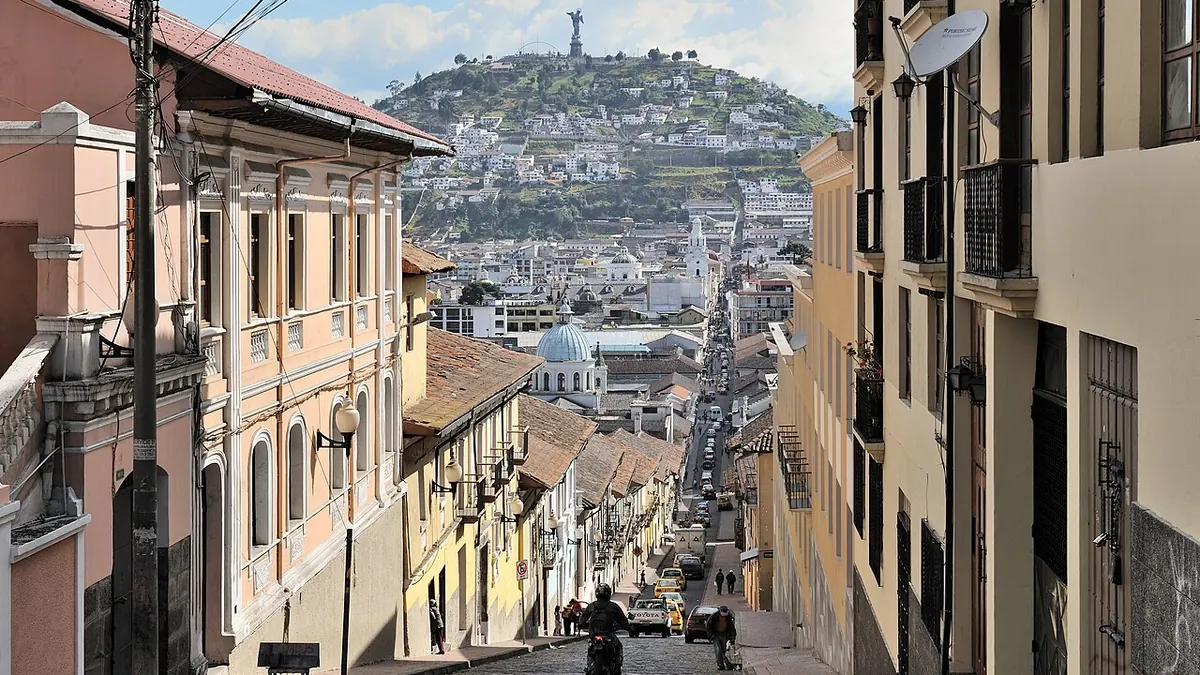
A good Quito itinerary for 4 days starts slowly in the colonial Historic Center to adjust to the altitude, rides the TelefériQo cable car on day 2, visits the equator at Mitad del Mundo on day 3, and ends with a full-day trip to Otavalo or Cotopaxi. With only 3 days, combine days 2 and 3.
In this guide
- How should you spend 4 days in Quito?
- What should you see on day 1 in Quito's Historic Center?
- Which Quito viewpoints are worth it?
- What can you do at Mitad del Mundo?
- What is the best day trip from Quito?
- What should travelers from Israel know before visiting Quito?
- Which mistakes should you avoid in Quito?
How should you spend 4 days in Quito?
Spend 4 days in Quito by starting with an easy walking day in the Historic Center, adding the city's viewpoints on day 2, going to the equator on day 3, and saving a longer trip into the Andes for day 4, when your body has adjusted to the altitude. Quito sits at about 2,850 meters, so this gradual order matters.
| Day | Focus | Main sights | Effort |
|---|---|---|---|
| 1 | Historic Center | Plaza Grande, the Metropolitan Cathedral, La Compañía de Jesús, San Francisco church and plaza, Calle La Ronda in the evening | Easy, flat walking |
| 2 | Views over the city | TelefériQo cable car in the morning, Basílica del Voto Nacional towers, El Panecillo by taxi | Moderate; high altitude at the top of the cable car |
| 3 | The equator and art | Mitad del Mundo, Pululahua crater lookout, Capilla del Hombre (Guayasamín museum) in the afternoon | Easy, half day outside the city |
| 4 | Day trip | Otavalo market and the northern Andes, or Cotopaxi National Park | Full day, early start |
How to make it 3 days
For a 3-day Quito itinerary, keep day 1 as it is, combine TelefériQo in the morning with Mitad del Mundo in the afternoon on day 2, and use day 3 for Otavalo or Cotopaxi. You will lose the Basílica, El Panecillo and the Guayasamín museum, but you will still see the city's core, a panoramic view and the Andes.
What should you see on day 1 in Quito's Historic Center?
On day 1, walk the UNESCO-listed Historic Center, one of the best-preserved colonial old towns in Latin America, focusing on Plaza Grande, La Compañía de Jesús and San Francisco. Everything is within a short walk, so you can go slowly while your body adjusts to the altitude.
Start at Plaza Grande (Plaza de la Independencia), framed by the Metropolitan Cathedral, the presidential Carondelet Palace and the Archbishop's Palace. A few blocks away, La Compañía de Jesús is a Jesuit church whose interior is covered in gold leaf, one of the most striking baroque interiors in South America. Continue to the vast cobbled Plaza San Francisco and the church and monastery of San Francisco, among the oldest in the Americas.
After lunch, consider the Casa del Alabado museum of pre-Columbian art, then rest at your hotel. In the evening, stroll Calle La Ronda, a restored colonial lane with small cafés and craft shops. Hiring a local guide for the Old Town adds a lot of history you would otherwise miss.
Which Quito viewpoints are worth it?
The viewpoint most worth your time is the TelefériQo cable car, which climbs the slopes of the Pichincha volcano to roughly 3,900 meters, followed by the towers of the Basílica del Voto Nacional and the hill of El Panecillo. Go up the TelefériQo early in the morning, when the sky is usually clearest.
- TelefériQo: on a clear morning you can see the city stretched along its valley and the snowcapped volcanoes around it, sometimes including Cotopaxi. The top is much higher than the city, so walk slowly and skip the hike further up if you feel the altitude.
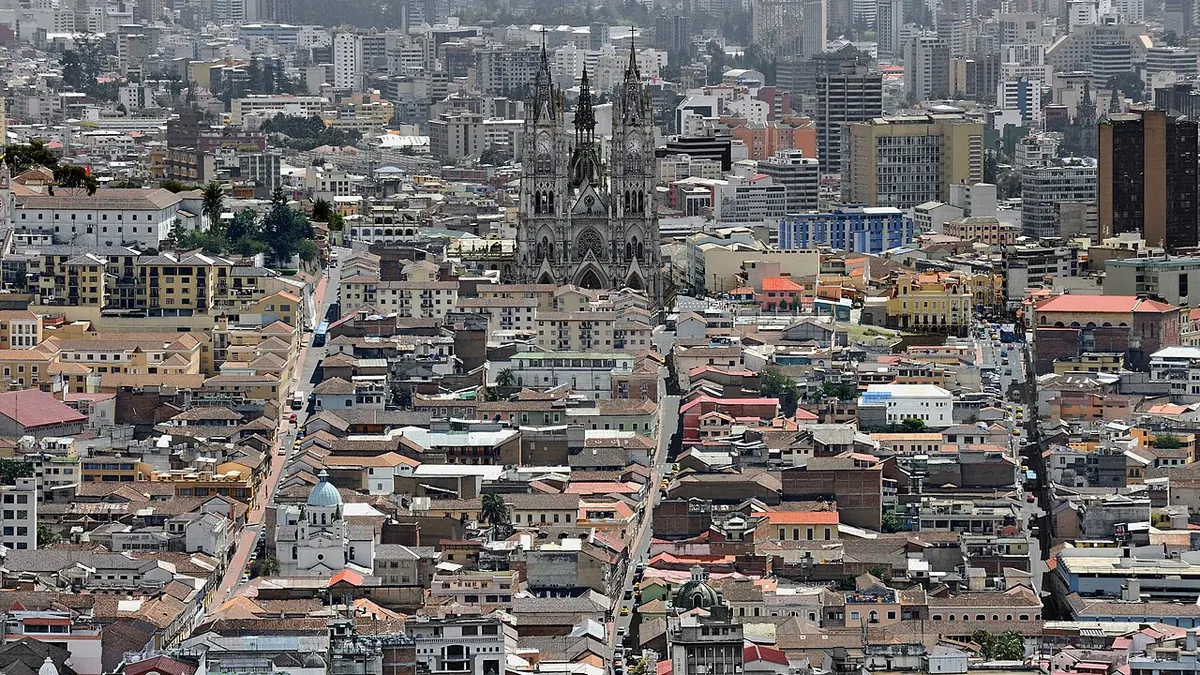
- Basílica del Voto Nacional: a neo-Gothic basilica with turtles, iguanas and other Ecuadorian animals in place of traditional gargoyles. You can climb its towers for a close-up view over the Old Town, though the final ladders are steep.
- El Panecillo: a hill topped by a large winged Virgin statue, with views over the Historic Center. Go up and down by taxi rather than walking the surrounding streets.
- Parque Itchimbía: a park on the east side of the Old Town with a glass cultural center and good sunset views.
What can you do at Mitad del Mundo?
At Mitad del Mundo, about an hour north of central Quito depending on traffic, you can visit the big monument marking the equator, walk across the painted line, and see the nearby Intiñan museum, which demonstrates equator experiments.
The monument's line is a few hundred meters from the true GPS equator, which is part of the fun rather than a reason to skip it. Combine it with the Pululahua lookout nearby, where you can look down into a huge inhabited volcanic crater with farmland on its floor; arrive in the morning before clouds fill it.
Back in the city, spend the afternoon at the Capilla del Hombre and the house-museum of Oswaldo Guayasamín, Ecuador's best-known painter, in the Bellavista neighborhood. His powerful murals about Latin American history are a highlight for many visitors.
What is the best day trip from Quito?
The best day trip from Quito is Otavalo if you want indigenous culture and Ecuador's most famous market, or Cotopaxi National Park if you want dramatic volcano scenery. Both take most of the day, so pick one for day 4.
| Day trip | Approximate travel time each way | Best for | Tip |
|---|---|---|---|
| Otavalo | About 2 hours north | Textiles, crafts, Kichwa culture, lakes and villages on the way | The market is busiest on Saturdays |
| Cotopaxi National Park | About 1.5 to 2 hours south | A near-perfect volcanic cone, Limpiopungo lagoon, high páramo | Very high and cold; do it last, with warm layers |
| Mindo | About 2 hours northwest | Cloud forest, birdwatching, hummingbirds, waterfalls | Lower and warmer than Quito |
| Papallacta | About 1.5 hours east | Natural hot springs in the mountains | A relaxing half to full day |
Quilotoa crater lake is beautiful but too far for a comfortable day trip; it fits better on a longer route with an overnight stay. For Cotopaxi, go with a tour or driver, and always follow current park guidance, since volcanic activity can close parts of the park.
What should travelers from Israel know before visiting Quito?
Travelers from Israel should check Ecuador's entry rules and current travel warnings, expect at least one connection on the way, and prepare for altitude and quickly changing weather.
Entry, safety and flights
Check the latest entry requirements for Israeli passport holders on Ecuador's official government websites, and read the Israeli National Security Council and Foreign Ministry guidance before booking. Ecuador has faced periods of serious crime and states of emergency in recent years, so check the current situation and follow local advice. There are no nonstop flights from Israel; most routes connect through Europe or the United States. Quito is seven hours behind Israel during Israeli winter time and eight hours behind in summer.
Altitude
Many visitors feel short of breath or tired on arrival. Drink water, go easy on alcohol, eat lightly and keep the first day gentle. Anyone with heart or lung conditions should ask a doctor before the trip.
Weather and money
Quito is close to the equator, so temperatures change little through the year: mild days, cool nights and strong sun. June to September is generally the driest period, while other months often bring afternoon rain. The currency is the US dollar; bring small bills, as change can be scarce.
Getting around and Shabbat
Use ride-hailing apps or taxis called through your hotel, especially at night. The Old Town is walkable by day. Travelers who keep kosher or Shabbat should check with the local Jewish community or Chabad house before the trip.
Which mistakes should you avoid in Quito?
The biggest mistakes are planning a strenuous first day at altitude, doing Cotopaxi before you have acclimatized, and walking around carelessly after dark.
- Hiking on arrival day: keep day 1 to the flat Old Town and an early night.
- Going up TelefériQo in the afternoon: clouds often roll in after midday and hide the views.
- Walking up El Panecillo: take a taxi up and back instead.
- Flagging random cabs at night: use an app or ask your hotel or restaurant to call one.
- Packing only summer clothes: mornings and evenings are cool, and the TelefériQo top and Cotopaxi can be cold.
- Squeezing Quito between Galápagos flights: if you are combining the two, give Quito its own days so delays do not wipe out your sightseeing.
Where to stay
The Historic Center is atmospheric and close to day 1 sights, but quiet at night. La Floresta and the area around La Mariscal and González Suárez have more restaurants and evening options. Choose a well-reviewed hotel and use taxis between neighborhoods after dark.
FAQ
Is 4 days enough for Quito?
Yes. Four days covers the colonial Historic Center, the TelefériQo cable car and other viewpoints, Mitad del Mundo and one full-day trip to Otavalo or Cotopaxi. The pace also gives your body time to adjust to Quito's altitude before the highest excursion.
What is a good 3-day Quito itinerary?
Spend day 1 in the Historic Center, ride the TelefériQo in the morning of day 2 and visit Mitad del Mundo in the afternoon, then use day 3 for Otavalo or Cotopaxi. This keeps the essentials while dropping a few secondary museums and viewpoints.
How do you deal with altitude in Quito?
Quito lies at about 2,850 meters, so take the first day slowly, drink plenty of water, limit alcohol and eat light meals. Leave higher places like the TelefériQo summit and Cotopaxi for later in the trip, and see a doctor beforehand if you have health concerns.
Otavalo or Cotopaxi: which day trip is better?
Choose Otavalo for indigenous culture, crafts and a lively market, ideally on a Saturday. Choose Cotopaxi for a classic snowcapped volcano, high-altitude lagoons and páramo landscapes. Cotopaxi is colder and higher, so it suits travelers who have already acclimatized.
Is Quito safe for tourists?
Many tourists visit Quito without problems, but Ecuador has had periods of serious crime. Check the Israeli National Security Council warnings and local news, use ride-hailing or hotel-called taxis at night, avoid showing valuables, and take a taxi to El Panecillo instead of walking.
Can I combine Quito with the Galápagos?
Yes, Quito is a common gateway to the Galápagos, with flights to the islands from Quito and Guayaquil. Give Quito its own 3 or 4 days before or after the islands, so a delayed flight does not cost you your city sightseeing.