Rome Itinerary for 6 Days
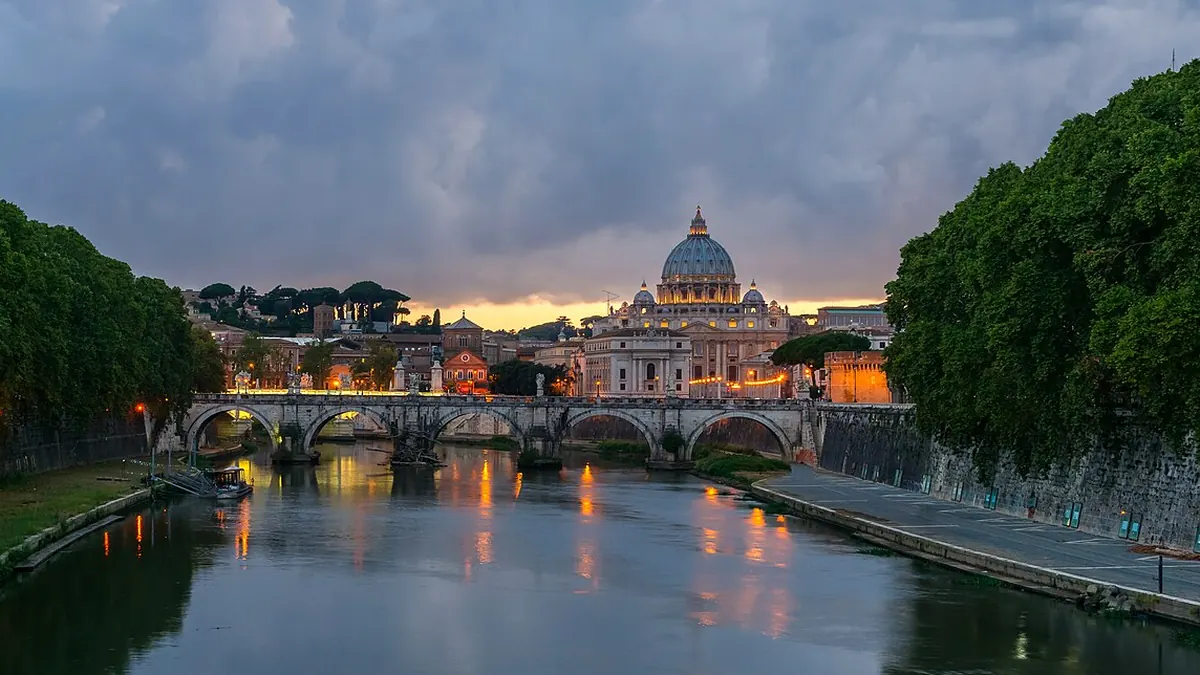
A Rome itinerary for 6 days works best when you group sights by neighborhood: ancient Rome, the historic center, Vatican City, Trastevere with the Jewish Ghetto, a day trip to Tivoli or Ostia Antica, and a final day for the Borghese Gallery. Shorter and longer versions are included below.
In this guide
- What is the best Rome itinerary for 6 days?
- What should you do on days 1 and 2?
- How do you spend days 3 and 4 in Rome?
- Should you take a day trip on day 5?
- What should you do on day 6?
- What are the best practical tips for Rome?
- What mistakes should you avoid in Rome?
- How does this compare with 3, 4, 5, 7 or 10 days in Rome?
What is the best Rome itinerary for 6 days?
The best 6-day Rome itinerary groups sights by neighborhood: ancient Rome, the historic center, Vatican City, Trastevere and the Jewish Ghetto, one day trip, and a flexible final day for Villa Borghese and the Capitoline Hill.
| Day | Focus | Key places | Note |
|---|---|---|---|
| 1 | Ancient Rome | Colosseum, Roman Forum, Palatine Hill | Reserve timed entry ahead of your trip |
| 2 | Centro Storico | Pantheon, Piazza Navona, Trevi Fountain, Spanish Steps | Mostly on foot; start early to beat the crowds |
| 3 | Vatican City | St. Peter's Basilica, Vatican Museums, Castel Sant'Angelo | Book the museums in advance |
| 4 | Neighborhoods | Campo de' Fiori, Jewish Ghetto, Trastevere, Santa Maria in Trastevere | Slow day with a long lunch and an evening walk |
| 5 | Day trip | Tivoli (Villa d'Este, Villa Adriana) or Ostia Antica | Both are reachable by public transport |
| 6 | Art and views | Borghese Gallery, Villa Borghese, Pincio terrace, Capitoline Museums | Borghese Gallery needs a timed reservation |
Fly into Fiumicino (FCO), the main international airport, and take the Leonardo Express train to Termini station. Several airlines serve the Tel Aviv to Rome route at various times of year, so check current schedules before you book.
How do you shorten or extend this plan?
For 4 days, merge days 1 and 2 into one long ancient-and-center day, keep the Vatican day, and combine Trastevere with the Jewish Ghetto; skip the day trip and Borghese. With 3 days, keep only the ancient, center and Vatican days. With 7 or more days, add Ostia Antica and Tivoli as separate trips and spend extra time in Monti, Testaccio and along the Appian Way.
What should you do on days 1 and 2?
On days 1 and 2, see ancient Rome first while you are fresh, then take a slower walk through the historic center with its piazzas and fountains.
Day 1: Colosseum, Roman Forum and Palatine Hill
Start at the Colosseum when it opens, then continue into the Roman Forum and up Palatine Hill. These three sites are close together, and a combined ticket usually covers them. Reserve a timed slot online in advance, especially in spring, summer and around holidays, when queues are long. Wear comfortable shoes and bring water, since there is little shade. Finish with lunch in the Monti district, a short walk away, and an easy evening stroll toward Piazza Venezia and the Capitoline Hill viewpoint.
Day 2: Pantheon, Piazza Navona, Trevi Fountain and Spanish Steps
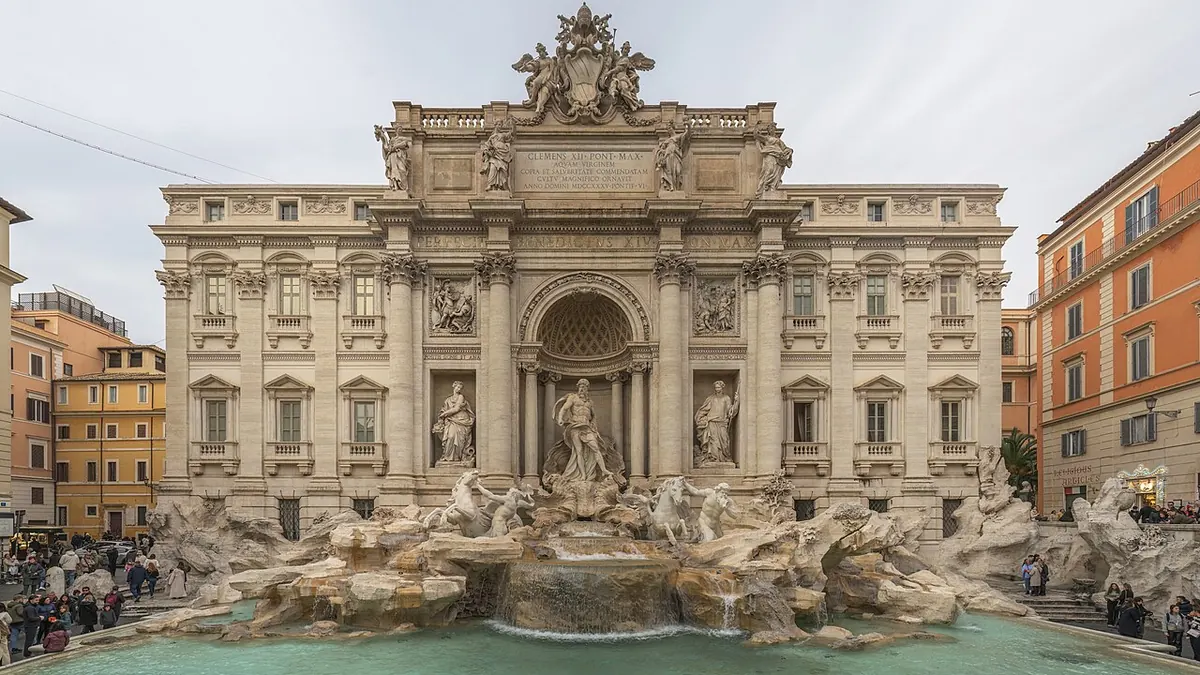
Day 2 is a walking day through the historic center. Begin at the Pantheon, a nearly 2,000-year-old temple that is now a church, then walk to Piazza Navona with its three fountains. From there continue to Trevi Fountain and finish at the Spanish Steps. Go to Trevi early in the morning or late in the evening for fewer crowds. Distances are short, so the day has room for coffee, gelato and a long lunch.
How do you spend days 3 and 4 in Rome?
Spend day 3 in Vatican City and day 4 on a slower route through Campo de' Fiori, the Jewish Ghetto and Trastevere.
Day 3: Vatican City
Begin at the Vatican Museums, which include the Sistine Chapel, and book a timed ticket in advance because this is one of the busiest attractions in Europe. Plan at least half a day. The museums are normally closed on Sundays, apart from occasional free-entry days, so check the official calendar. After the museums, visit St. Peter's Basilica; entry is free but there is a security line and a strict dress code that covers shoulders and knees. Finish with a walk along the Tiber to Castel Sant'Angelo.
Day 4: Campo de' Fiori, Jewish Ghetto and Trastevere
Browse the morning market at Campo de' Fiori, then walk into the Jewish Ghetto, one of the oldest Jewish quarters in Europe, home to the Great Synagogue and the Jewish Museum of Rome. Many Israeli travelers find this a meaningful stop. Cross the river via Tiber Island to Trastevere for narrow lanes, the mosaics of Santa Maria in Trastevere and a relaxed dinner. For kosher food or Shabbat arrangements, check with the local Jewish community or the Chabad house in Rome.
Should you take a day trip on day 5?
Yes, a day trip on day 5 is worth it if you have already seen the main sights and want a break from the city; otherwise use the day for another neighborhood.
The most popular choice is Tivoli, about an hour from Rome by regional train or bus, where you can visit Villa d'Este with its fountains and the Villa Adriana (Hadrian's Villa) ruins. Allow a full day, since the two sites are several kilometers apart. A simpler alternative is Ostia Antica, the ancient port city of Rome, reached by a local train from Porta San Paolo or Piramide station. It feels like a smaller Pompeii and is easy to do in half a day.
When should you stay in Rome instead?
- You are traveling with small children or anyone who tires quickly.
- The weather is very hot or rainy.
- You want time for shopping, cafes and unhurried walking.
Pompeii is sometimes suggested as a day trip, but it is a long day from Rome. It works better with an overnight stay in Naples.
What should you do on day 6?
On day 6, visit the Borghese Gallery and Villa Borghese park, then use any remaining time for the Capitoline Museums or places you want to revisit.
The Borghese Gallery houses sculptures by Bernini and paintings by Caravaggio, and entry is by timed reservation only, so book early. Afterward, walk through Villa Borghese park to the Pincio terrace, which has a classic view over Piazza del Popolo. In the afternoon, the Capitoline Museums on the Capitoline Hill offer ancient statues and a view of the Forum. Keep the evening free for a favorite restaurant or a last walk.
What are the best practical tips for Rome?
The best tips for Rome are to cluster sights by area, walk in the center, use the metro for longer hops, and book major attractions ahead.
- Getting around: The center is walkable. Metro lines A and B serve Termini, the Colosseum, the Vatican area (Ottaviano) and the Spanish Steps. Buses and trams fill the gaps, but traffic can be slow.
- Booking: Reserve the Colosseum complex, the Vatican Museums and the Borghese Gallery in advance, and use only the official sites.
- When to go: Spring and autumn are the most pleasant. July and August are hot and crowded.
- Dress code: Churches require covered shoulders and knees.
- Money: Cards are widely accepted, and your Israeli card works, though a foreign-transaction fee may apply. Carry a little cash for small cafes.
- Entry rules: Check the current rules for Israeli passport holders on the official Italian foreign ministry site, and read the Israeli National Security Council and Foreign Ministry travel notices before you fly.
- Pickpockets: Watch your bag at Termini, on the metro and near major sights.
What mistakes should you avoid in Rome?
The biggest mistake is trying to see everything at once; Rome rewards a slower pace and good planning.
- Zigzagging across the city: Moving between the Vatican, the Colosseum and Trastevere in one day wastes energy.
- Skipping breaks: Plan a long lunch and a coffee stop, especially after an early flight from Tel Aviv.
- Entering every church: Choose a few that interest you, such as the Pantheon or Santa Maria in Trastevere.
- Booking too late: Popular timed entries sell out, especially in peak season.
- Eating next to the big sights: Restaurants right beside the Trevi Fountain or the Vatican are often overpriced. Walk a few streets away.
How does this compare with 3, 4, 5, 7 or 10 days in Rome?
Six days is a comfortable length for Rome, with time for the classics, a day trip and one slow day, while shorter and longer trips only need small changes.
- 3 days: Ancient Rome, the historic center, and the Vatican.
- 4 days: Add Trastevere and the Jewish Ghetto.
- 5 days: Add a day trip to Tivoli or Ostia Antica.
- 7 days: Add the Appian Way, Testaccio and a second museum day.
- 10 days: Do not double the sights; add the Castelli Romani hill towns, Ostia Antica and Tivoli at a slower pace.
FAQ
Is 6 days enough for Rome?
Yes. Six days covers Rome's essential sights with room to spare. You can fit ancient Rome, the Vatican, the historic center, Trastevere, one day trip and a final flexible day without rushing, and still leave time for long lunches and coffee breaks.
How should you spend 4 days in Rome?
Keep one day for ancient Rome, one for the Vatican, one for the historic center and one for Trastevere and the Jewish Ghetto. Skip the day trip and group sights by neighborhood, so you spend your time walking rather than crossing the city.
Should you visit the Vatican on a separate day?
Usually yes. The Vatican Museums, the Sistine Chapel and St. Peter's Basilica can fill a whole morning and afternoon, especially with security lines. Giving it its own day keeps the rest of your Rome plan relaxed and spares your feet.
Which day trip is best from Rome?
Tivoli is the classic choice for gardens and Roman ruins, while Ostia Antica is easier and quicker, using a local train. Choose Tivoli for a full day of Villa d'Este and Hadrian's Villa, or Ostia Antica for a half day.
How many sights can you do in one day in Rome?
Two to four major stops is a realistic limit. Rome's sights are large, and queues, security checks and walking add up. Combine nearby attractions, and leave room for lunch, coffee and spontaneous detours in the neighborhoods.
What should Israeli travelers know before visiting Rome?
Check current entry rules for Israeli passport holders on official Italian sources, and read the National Security Council and Foreign Ministry travel notices. Check flight schedules from Tel Aviv, and ask the Rome Jewish community or Chabad house about kosher food and Shabbat.