Shanghai Itinerary for 3 Days: The Best Route for First-Timers
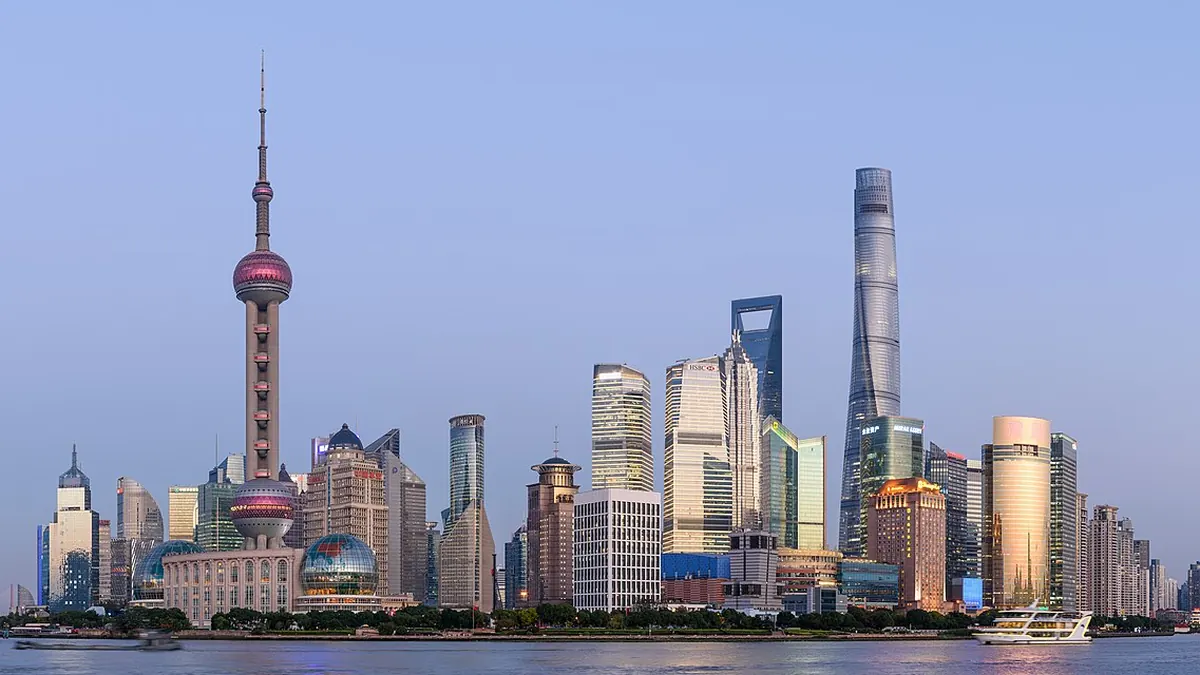
A Shanghai itinerary for 3 days covers the Bund, Nanjing Road and Yu Garden on day 1, the Former French Concession and Pudong skyline on day 2, and Zhujiajiao or Jewish heritage in Hongkou on day 3. Use the metro for most transfers. The best seasons are spring and autumn.
In this guide
- What is the best Shanghai itinerary for 3 days?
- How do you get from the airport to central Shanghai?
- What should you see on day 1?
- What do you do on day 2 in the Former French Concession and Pudong?
- Which day 3 option is best: Zhujiajiao or Jewish heritage in Hongkou?
- What practical tips apply for travelers from Israel?
- How do you get around Shanghai?
- When is the best season for 3 days in Shanghai?
What is the best Shanghai itinerary for 3 days?
The best Shanghai itinerary for 3 days uses day 1 for the Bund, Nanjing Road and Yu Garden, day 2 for the Former French Concession and Pudong skyline, and day 3 for Zhujiajiao water town or Jewish heritage sites in Hongkou. It keeps each day inside one or two metro corridors.
| Day | Morning | Afternoon | Evening |
|---|---|---|---|
| Day 1: classic center | Shanghai Museum, People's Square | Nanjing Road, Yu Garden | The Bund at night |
| Day 2: French Concession and Pudong | Wukang Road, Tianzifang | Jing'an Temple | Lujiazui skyline view |
| Day 3: option A | Zhujiajiao water town | Canals, lunch | Xintiandi |
| Day 3: option B | Hongkou Jewish heritage | Duolun Road, Lu Xun Park | West Bund or Xintiandi |
Pairing sights by metro line saves hours in a city of roughly 25 million people. Lines 2, 9 and 10 serve most stops in this plan.
How do you get from the airport to central Shanghai?
From Pudong International Airport (PVG), the fastest way into the city is the Maglev train to Longyang Road station, which takes about 8 minutes, followed by Metro Line 2 or Line 16. From Hongqiao (SHA), Metro Line 2 and Line 10 reach the center directly.
| Option | Time | Notes |
|---|---|---|
| Maglev from PVG | About 8 minutes to Longyang Road | Then Metro Line 2 |
| Metro Line 2 from PVG | About 1 hour to People's Square | Cheapest, luggage space limited |
| Taxi or ride-hailing | About 45 to 70 minutes | Depends on traffic |
| Metro from SHA | About 30 to 40 minutes | Lines 2 and 10 |
What should you see on day 1?
Day 1 in Shanghai covers the old and central core: the Shanghai Museum and People's Square, Nanjing Road, Yu Garden and the Bund. These sit along Metro Lines 1, 2 and 10.
- Visit the Shanghai Museum at People's Square; entry is free but advance online reservation is normally required, and it is usually closed on Mondays.
- Walk east on Nanjing Road, the pedestrian shopping street, toward the river.
- Continue to the Bund along Zhongshan East 1st Road, a waterfront promenade lined with 1920s-30s buildings.
- Take Metro Line 10 to Yu Garden station for Yu Garden and the surrounding bazaar.
- Return to the Bund after dark for the view of the Pudong skyline.
The Bund is busiest at sunset and after dark. Early morning gives empty promenades and clear photographs.
Should you see the Bund at sunrise, sunset or night?
The Bund is best at night for the lit Pudong skyline and at sunrise for fewer people. Sunset combines both, though it is the most crowded time.
- Sunrise: empty promenade, soft light on the old buildings
- Sunset: golden light on the colonial facades, large crowds
- Night: skyline lights, river cruises on the Huangpu
Planning the first day well
Start at People's Square rather than the Bund, because the museum fills by midday and the riverfront looks best late. Allow about 90 minutes for the Shanghai Museum, 60 to 90 minutes for Yu Garden and its bazaar, and an evening hour for the Bund. Wear comfortable shoes, since the route mixes long walks with metro hops, and carry a power bank for maps, translation and payment apps.
What do you do on day 2 in the Former French Concession and Pudong?
Day 2 combines the tree-lined Former French Concession with the modern Lujiazui skyline. The first half is slow walking; the second is views and shopping.
- Wukang Road and Hengshan Road: shaded streets with historic villas, cafes and boutiques
- Tianzifang: alley district of small shops and studios near Dapuqiao station on Line 9
- Jing'an Temple: Buddhist temple with a gold-topped hall beside Jing'an Temple station on Lines 2 and 7
- Lujiazui: Pudong financial district with the Oriental Pearl Tower (468 m), Shanghai World Financial Center and Shanghai Tower (632 m)
Which day 3 option is best: Zhujiajiao or Jewish heritage in Hongkou?
Zhujiajiao suits a canal and old-town day, while Hongkou suits visitors interested in Shanghai's Jewish history. Both fit one day.
- Zhujiajiao: water town in western Shanghai reached by Metro Line 17 in roughly an hour from the center
- Hongkou: historic district with the Shanghai Jewish Refugees Museum at the former Ohel Moshe Synagogue, where Jewish refugees found shelter in the 1930s and 1940s
- Time needed: allow 3 to 4 hours for Zhujiajiao itself, and roughly 2 to 3 hours for the Hongkou museum and nearby streets
- Xintiandi: restored shikumen lanes with restaurants, a good evening stop for either option
What practical tips apply for travelers from Israel?
Travelers from Israel need to check China's entry rules and the Israeli National Security Council (NSC) and Foreign Ministry notices, and plan for mobile payments and internet access. No direct flight should be assumed, so check current schedules.
- Check the Chinese embassy site for visa or visa-free rules for Israeli passport holders, including any transit options.
- Read the NSC and Foreign Ministry travel notices for China before booking.
- Link a foreign card to Alipay or WeChat Pay before arrival, since cash and cards are less accepted in many places.
- Download a VPN or eSIM plan before landing, because many Western apps and sites are blocked.
- Carry the passport; hotels and attractions often require it.
Kosher food is not widely available. Contact the Jewish community or a Chabad center in Shanghai before travel to ask about options, and bring shelf-stable food for day trips.
How do you get around Shanghai?
The metro is the fastest and cheapest way to get around Shanghai, with more than 20 lines and signs in English and Chinese. Taxis and ride-hailing apps fill gaps in the evening.
- Metro: buy single tickets at machines or use a transit card or QR code; trains run from early morning until around 23:00
- Taxis: metered; show the destination in Chinese characters
- Ride-hailing: Didi can be used through the Alipay or WeChat mini-program
- Walking: the Bund, Nanjing Road and Former French Concession are best on foot
- River ferry: a cheap crossing of the Huangpu between Puxi and Pudong
How to shorten or extend the plan
- 2 days: combine day 1 and day 2, skipping Zhujiajiao and Hongkou
- 4 days: add both day 3 options as separate days
- 5 days: add a day trip to Suzhou or Hangzhou by high-speed train, each roughly 30 to 90 minutes from the city
When is the best season for 3 days in Shanghai?
The best seasons for Shanghai are spring (March to May) and autumn (September to November), with mild weather. Summer is hot and humid, and winter is cold and gray.
| Season | Conditions | Notes |
|---|---|---|
| Spring | Mild, some rain | Good for walking |
| Summer | Hot, humid, plum rain in June | Typhoon risk August to September |
| Autumn | Warm, clearer skies | Best overall |
| Winter | Cold, damp | Fewer crowds |
FAQ
Is 3 days enough for Shanghai?
Yes. Three days cover the Bund, Yu Garden, Nanjing Road, the Former French Concession and the Pudong skyline, with one day left for Zhujiajiao or Hongkou. Shanghai has a large metro network, so most transfers take 20 to 40 minutes.
How do you get from Pudong Airport to the city center?
Take the Maglev to Longyang Road in about 8 minutes, then Metro Line 2 or 16, or ride Metro Line 2 directly to People's Square in about an hour. Taxis and ride-hailing take roughly 45 to 70 minutes depending on traffic.
Do Israelis need a visa for China?
Entry rules for Israeli passport holders change, so check the official Chinese embassy site and the Israeli Foreign Ministry before booking. Also read the current Israeli National Security Council travel notice for China, and confirm transit rules if connecting.
What is the best time to visit Shanghai?
Spring (March to May) and autumn (September to November) bring mild weather and are best for walking. Summer is hot and humid with a rainy period in June and typhoon risk in late summer. Winter is cold and damp but quieter.
How do you pay in Shanghai?
Most places use mobile payment through Alipay or WeChat Pay, which accept foreign cards if linked beforehand. Cash and international cards are accepted at major hotels and malls but not everywhere, so set up an app before arriving.
What Jewish heritage sites can you visit in Shanghai?
The Shanghai Jewish Refugees Museum in Hongkou occupies the former Ohel Moshe Synagogue, tied to refugees of the 1930s and 1940s. The Jewish community and Chabad centers in Shanghai can advise on synagogues, tours and kosher arrangements.