Tokyo Itinerary for 10 Days
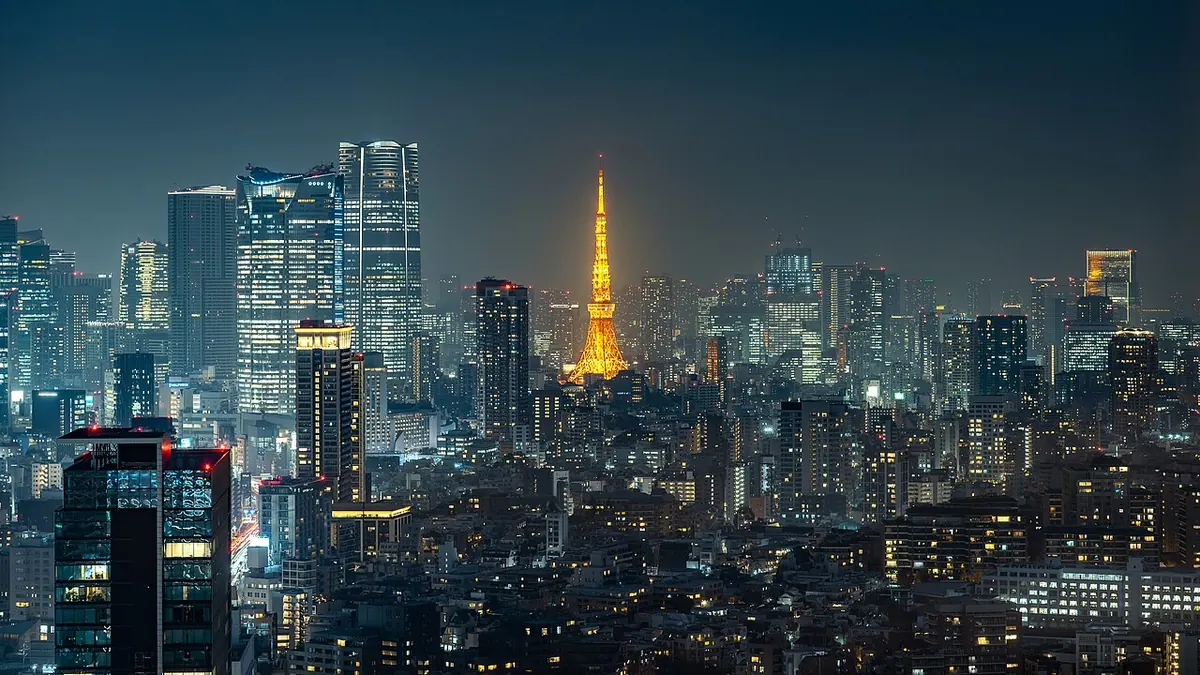
A Tokyo itinerary for 10 days works best with about six days in the city's main districts, such as Asakusa, Shibuya, Shinjuku, Ueno and Ginza, and three or four day trips to Nikko, Kamakura, Hakone or Yokohama. Use a Suica or Pasmo card for trains, and avoid Golden Week and Obon.
In this guide
What is the best Tokyo itinerary for 10 days?
The best Tokyo itinerary for 10 days uses five or six days for the city's main districts and three or four days for day trips such as Nikko, Kamakura, Hakone and Yokohama, all easy by train.
| Day | Focus | Highlights |
|---|---|---|
| 1 | Arrival and Asakusa | Senso-ji temple, Nakamise street, Sumida River, Tokyo Skytree views |
| 2 | Shibuya and Harajuku | Meiji Shrine, Takeshita Street, Omotesando, Shibuya Crossing |
| 3 | Shinjuku | Shinjuku Gyoen, free observation deck at the Metropolitan Government Building, Omoide Yokocho, Golden Gai |
| 4 | Ueno, Akihabara and the Imperial Palace | Ueno Park and museums, Akihabara electronics and anime shops, Imperial Palace East Gardens |
| 5 | Ginza, Tsukiji and Toyosu | Tsukiji outer market food stalls, Ginza shopping, teamLab digital art |
| 6 | Day trip to Nikko | Toshogu Shrine and the forested mountain setting |
| 7 | Day trip to Kamakura and Enoshima | Great Buddha at Kotoku-in, Hasedera, the seaside |
| 8 | Day trip to Hakone | Hot spring town, Lake Ashi cruise, views of Mount Fuji if clear |
| 9 | Yokohama or a theme park | Minato Mirai, Chinatown, or Tokyo Disney Resort for families |
| 10 | Old Tokyo and departure | Yanaka neighborhood, last shopping, airport transfer |
Tokyo is huge, so group sights by district and avoid crossing the city several times a day. The order of days is flexible, and you can swap the outdoor day trips with city days according to the weather.
Which areas of Tokyo should you see first?
For a first trip, the key areas are Asakusa for old Tokyo, Shibuya and Harajuku for youth culture and shrines, Shinjuku for nightlife and views, and Ueno and Akihabara for museums and pop culture.
- Asakusa: the city's best-known temple, Senso-ji, with a shopping street leading to it. Go early or in the evening to avoid crowds.
- Shibuya and Harajuku: the busy Shibuya Crossing, the forested Meiji Shrine and the fashion streets of Harajuku and Omotesando.
- Shinjuku: the world's busiest station, a big park (Shinjuku Gyoen), skyscrapers and the lanes of Omoide Yokocho and Golden Gai.
- Ueno and Akihabara: Ueno Park with the Tokyo National Museum and zoo, and Akihabara for games, anime and electronics.
- Ginza and Tsukiji: upscale shopping, and the Tsukiji outer market, which is still full of food stalls after the main fish market moved to Toyosu.
What are the best day trips from Tokyo?
The best day trips from Tokyo are Nikko for shrines and mountain scenery, Kamakura for temples and the Great Buddha, and Hakone for hot springs and views of Mount Fuji, each reachable in about one to two hours.
- Nikko: about two hours by train from Tokyo. Toshogu Shrine is a richly decorated UNESCO World Heritage site, and the surrounding mountains and lakes are beautiful, especially in autumn.
- Kamakura: about an hour from Tokyo. The Great Buddha at Kotoku-in, Hasedera temple and the hiking trails make a classic day. Add Enoshima island for the coast.
- Hakone: roughly 1.5 hours by the Odakyu Romancecar or a combination of trains. The sights include a boat on Lake Ashi, a ropeway and hot springs. Mount Fuji is often hidden by clouds, so treat the view as a bonus.
- Yokohama: around 30 minutes from central Tokyo, with Minato Mirai, Chinatown and the Cup Noodles Museum.
- Kawagoe: a smaller option with old merchant houses, about 40 minutes from Shinjuku.
If you want to see Kyoto, you can take the shinkansen from Tokyo in roughly two hours and fifteen minutes. But with 10 days, it is better to stay around Tokyo, or add Kyoto as a separate trip and not rush it.
How do you get around Tokyo?
The easiest way to get around Tokyo is by train and subway with a rechargeable IC card such as Suica or Pasmo, which you can add to your phone wallet or buy as a physical card.
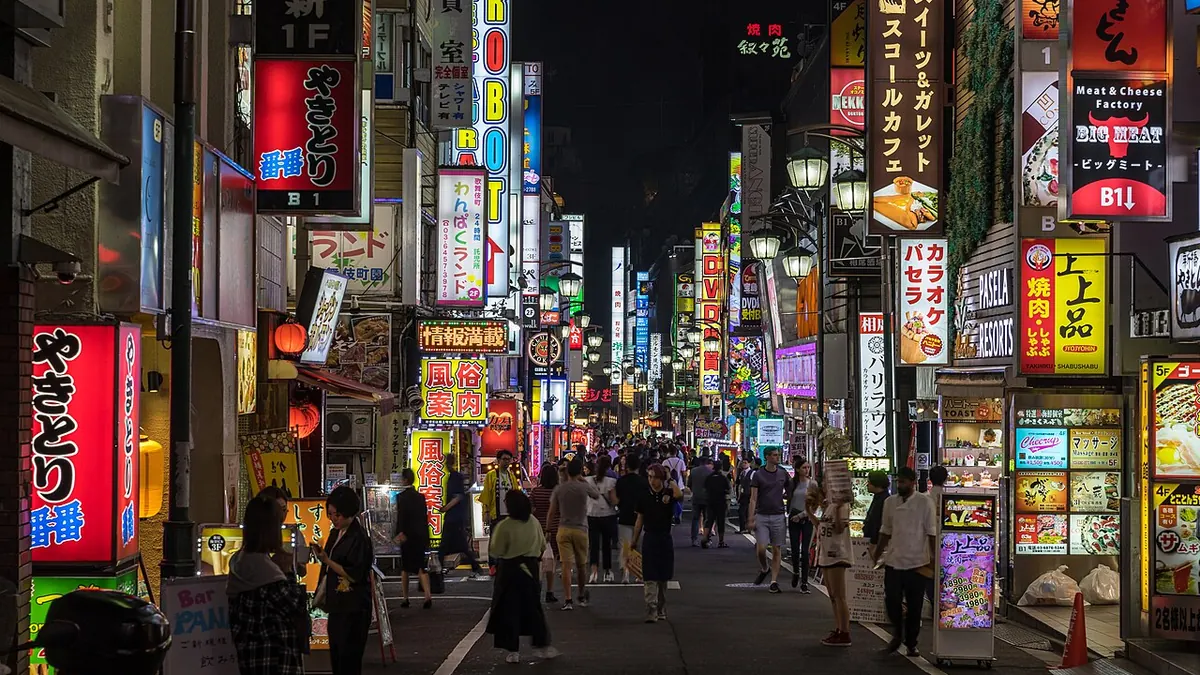
- Trains and subway: clean, punctual and extensive. Use Google Maps or a transit app for routes and platform numbers.
- Airports: Haneda is closer to the city, and Narita is farther out, with express trains such as the Narita Express and Skyliner. Check which airport your flight uses.
- Japan Rail Pass: usually not worth it for a Tokyo-based trip. Compare the cost of the pass with individual tickets for your plan, especially if you add Kyoto.
- Walking: expect to walk a lot. Comfortable shoes are essential.
- Cash: Japan accepts cards widely now, but small restaurants, shrines and some shops still prefer cash, so carry some yen.
- Manners: keep your voice low on trains, do not eat while walking in busy areas, and tipping is not customary.
When is the best time to visit Tokyo?
The best times to visit Tokyo are spring (late March to April) for cherry blossoms and autumn (October to November) for mild weather and colorful leaves, while June to early July is rainy and August is hot and humid.
- Spring: cherry blossoms usually peak from late March to early April, but dates vary each year. It is the busiest and most expensive season.
- Summer: hot and humid from July to August, with typhoon risk from late summer to autumn. Plan indoor breaks.
- Autumn: comfortable weather and autumn leaves, often at their best from November.
- Winter: dry, sunny and cold, with clear days for views of Mount Fuji. Good for hot springs.
Avoid the national holiday periods of Golden Week (late April to early May), Obon (mid August) and the New Year if you want fewer crowds, as trains and attractions are busy.
What should Israeli travelers know before going to Tokyo?
Israeli travelers should plan for a long journey, check Japanese entry rules on official sources, and read the Israeli National Security Council (NSC) and Foreign Ministry advisories before booking.
- Flights: do not assume a direct flight from Tel Aviv to Tokyo. Check current schedules, as most itineraries connect in Europe, the Gulf or Asia.
- Entry: Israeli passport holders have generally been able to enter Japan without a visa for short tourist stays, but confirm current rules on the official Japanese Ministry of Foreign Affairs website, and use the Visit Japan Web service if it applies.
- Time difference: Japan is about six to seven hours ahead of Israel, so expect jet lag. Keep the first day light.
- Kosher and Shabbat: for kosher food or Shabbat arrangements, contact the Jewish community in Tokyo or the Chabad house in advance. Carry kosher snacks, as options are limited.
- Money and phone: bring a card without foreign transaction fees and consider an eSIM or pocket Wi-Fi.
- Earthquakes: Japan has frequent earthquakes. Follow hotel and local instructions, and know the exit routes.
Is 10 days in Tokyo too long?
No, 10 days is a good length for Tokyo because the city is large enough to fill a week and still leave time for day trips, so you can travel at a relaxed pace without feeling rushed.
If you get tired of the city, take a lighter day with a long lunch, an onsen visit or a quiet park such as Shinjuku Gyoen or Ueno Park. For families, add the Tokyo Disney Resort or a teamLab exhibition, and for food lovers, plan a day around markets, ramen shops and izakaya dining. Book popular tickets such as observation decks, teamLab and theme parks ahead. If you only have 7 days, drop two day trips and combine Ueno and Akihabara with the Imperial Palace.
FAQ
Is 10 days enough for Tokyo?
Yes, 10 days is plenty for the main districts of Tokyo plus three or four day trips such as Nikko, Kamakura and Hakone. You can travel at a relaxed pace, add a theme park or museum days, and still have time to rest between busy days.
What are the best day trips from Tokyo?
Nikko, Kamakura and Hakone are the classics. Nikko offers decorated shrines in the mountains, Kamakura has temples and the Great Buddha near the sea, and Hakone has hot springs and views of Mount Fuji. Yokohama is the easiest short trip, around 30 minutes away.
When is the best time to visit Tokyo?
Spring and autumn are best. Late March to April brings cherry blossoms, and October to November offers mild weather and autumn leaves. Summer is hot and humid, June is rainy, and Golden Week and Obon are crowded, so book accommodation early.
Do Israelis need a visa for Japan?
Israeli passport holders have generally been able to enter Japan without a visa for short tourist stays, but rules can change. Check the official Japanese Ministry of Foreign Affairs website before booking, and read the Israeli NSC and Foreign Ministry advisories.
How do you pay and get around in Tokyo?
Use a Suica or Pasmo IC card, physical or in your phone wallet, for trains, subways and many shops. Cards are widely accepted, but small restaurants and shrines often prefer cash, so carry some yen. A Japan Rail Pass is rarely worth it for Tokyo only.
Where should I stay in Tokyo for the first time?
Shinjuku is a popular choice because of its transport links and day-trip trains, and Shibuya and Ueno are also convenient. Choose a hotel within walking distance of a major station, as you will use trains every day and carry luggage between airports.