Valletta Itinerary for 2 Days
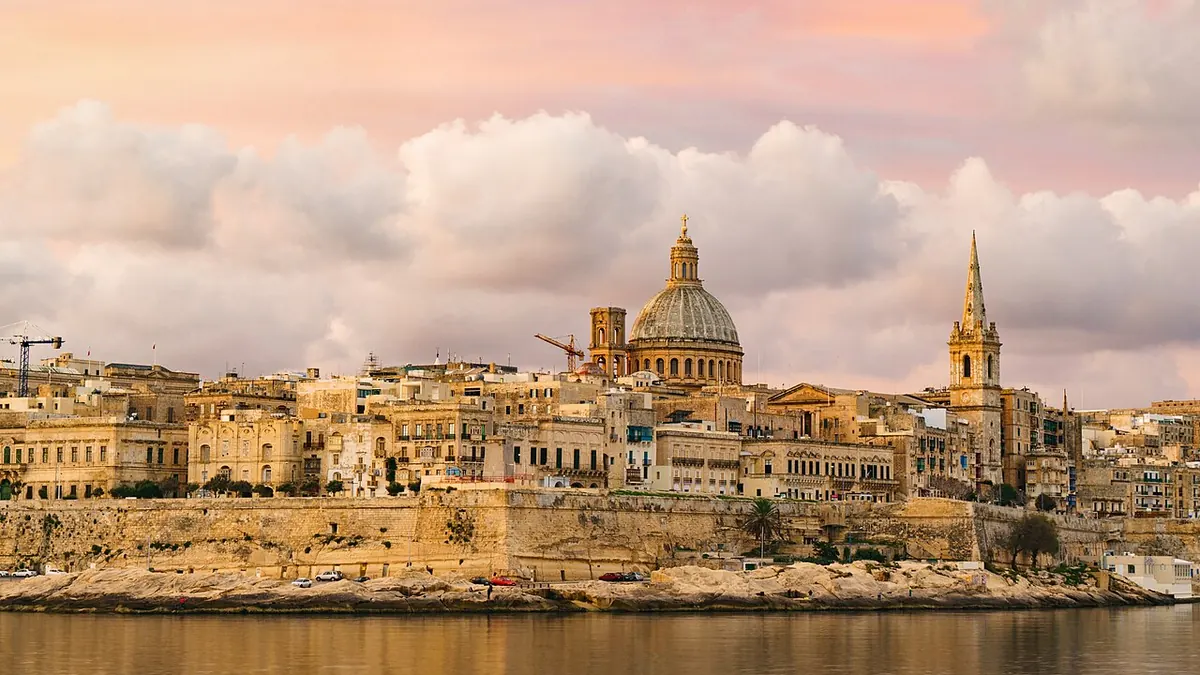
A Valletta itinerary for 2 days works best on foot: day 1 covers Republic Street, St. John's Co-Cathedral and the Upper Barrakka Gardens, and day 2 covers Fort St. Elmo, the Lower Barrakka Gardens and a ferry to the Three Cities. Valletta is small, but its streets are steep, so keep a relaxed pace.
In this guide
- What is the best Valletta itinerary for 2 days?
- What should you do on day 1 in Valletta?
- What should you do on day 2 in Valletta?
- How do you plan a Valletta walking route?
- What should cruise passengers do in Valletta?
- Practical tips for Israelis visiting Valletta
- What mistakes do visitors make in Valletta?
What is the best Valletta itinerary for 2 days?
The best Valletta itinerary for 2 days is to spend day 1 on the historic core around Republic Street, St. John's Co-Cathedral and the Upper Barrakka Gardens, and day 2 on Fort St. Elmo, the harbor views and a ferry ride to the Three Cities.
Valletta is one of the smallest capitals in Europe and is built on a steep peninsula between the Grand Harbour and Marsamxett Harbour. You can walk from the City Gate to Fort St. Elmo in well under an hour, but the side streets are steep and stepped, so the real pace is slower than the map suggests. The whole city is a UNESCO World Heritage Site.
| Day | Focus | Main stops |
|---|---|---|
| Day 1 | Historic core | City Gate, Triton Fountain, Republic Street, National Museum of Archaeology, St. John's Co-Cathedral, Grandmaster's Palace, Upper Barrakka Gardens |
| Day 2 | Fortress and harbor | Fort St. Elmo and the National War Museum, Lower Barrakka Gardens, Manoel Theatre or Casa Rocca Piccola, ferry to Birgu (Three Cities) |
- Short on time: keep day 1 as written and use day 2 for one museum and a harbor walk.
- Relaxed pace: Valletta on day 1, the Three Cities on day 2.
- Three days: add a third day for Mdina and Rabat, or for Marsaxlokk and the south.
What should you do on day 1 in Valletta?
On day 1, enter through the City Gate, walk down Republic Street, visit St. John's Co-Cathedral and the Grandmaster's Palace area, and finish at the Upper Barrakka Gardens for the best view over the Grand Harbour.
Arrive by bus at the terminus just outside the City Gate, near the Triton Fountain. Walk in past the modern Parliament building, which was designed by Renzo Piano, and along Republic Street, the main spine of the city.
- Morning: the National Museum of Archaeology, housed in the Auberge de Provence on Republic Street, is a good first stop for Malta's prehistoric temples.
- Late morning: St. John's Co-Cathedral has a lavish Baroque interior and Caravaggio's painting The Beheading of St. John the Baptist in its oratory. It is the single most important sight in the city, so allow plenty of time. Dress modestly: shoulders and knees covered.
- Midday: St. George's Square and the Grandmaster's Palace, the former seat of the Knights of St. John and now home to the President's offices. Parts of it, including the state rooms and the armoury, can be visited when they are open.
- Afternoon: lunch on a side street, then walk to the Upper Barrakka Gardens. From the terrace you look across the Grand Harbour to the Three Cities, and a daily gun salute is fired from the Saluting Battery below.
- Evening: stroll down Strait Street, once the nightlife street of sailors, now a lively street of bars and small restaurants.
What should you do on day 2 in Valletta?
On day 2, start at Fort St. Elmo at the tip of the peninsula, continue along the harbor walls to the Lower Barrakka Gardens, and take a ferry across the Grand Harbour to Birgu, one of the Three Cities.
- Morning: Fort St. Elmo and the National War Museum tell the story of the Great Siege of 1565 and Malta in World War II. Walking there from the City Gate takes roughly 25 minutes through the quieter lower part of the city.
- Late morning: Lower Barrakka Gardens for a quiet viewpoint with a monument to a British officer, and nearby streets for a coffee break. If time allows, add the Manoel Theatre, one of the oldest working theaters in Europe, or Casa Rocca Piccola, a noble family home open to visitors.
- Afternoon: go down to the Lascaris Wharf area, either by the Barrakka Lift from the Upper Barrakka Gardens or on foot, and take the harbor ferry to Birgu (Vittoriosa). Wander its narrow lanes and the waterfront marina. Senglea is a short walk or taxi ride away, with a lookout over the harbor.
- Evening: return to Valletta by ferry or bus for dinner and a sunset walk on the bastions.
The Valletta Waterfront, with its restored 18th-century warehouses, is a pleasant place for lunch if you want less walking uphill.
How do you plan a Valletta walking route?
Plan Valletta as a one-way walk from the City Gate toward Fort St. Elmo, so you are not repeatedly climbing back up the same slopes.
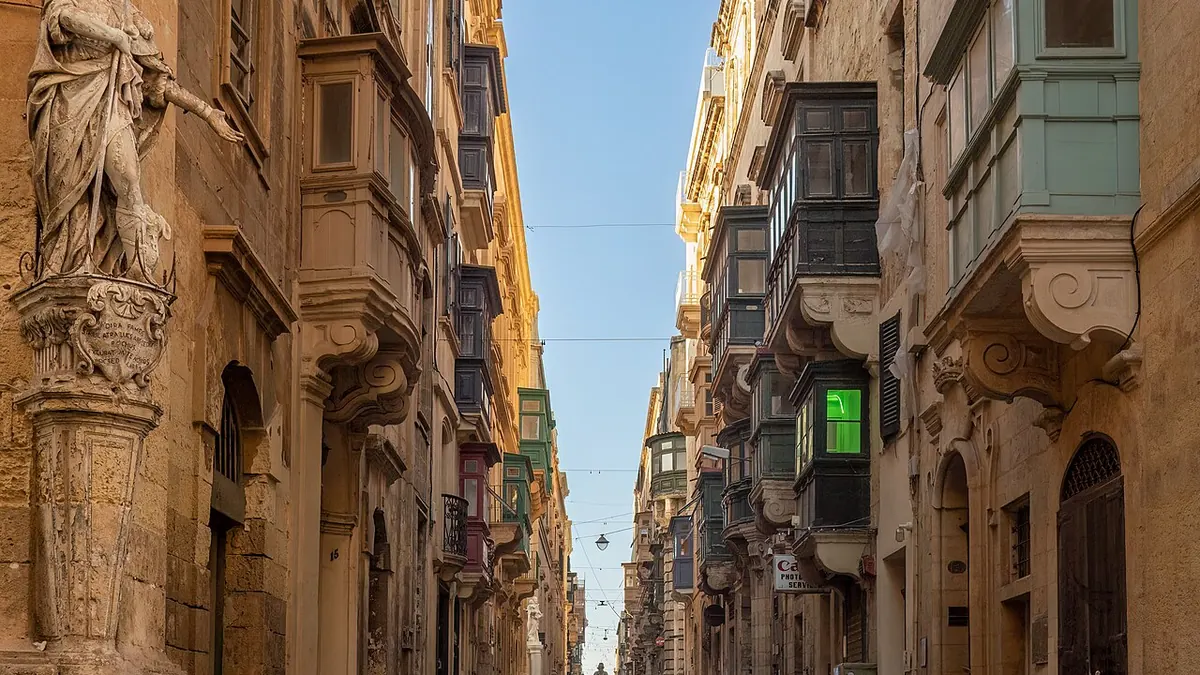
- Start at the City Gate: the main bus terminus is just outside, so arrival and departure are easy.
- Walk in one direction: go down Republic Street, then branch to the harbor-side streets and return along a parallel street.
- Use the Barrakka Lift: it connects the Upper Barrakka Gardens with the waterfront below. Check that it is running before you plan around it.
- Wear proper shoes: the limestone paving is smooth, and many side streets are stepped.
In summer, start early, carry water and plan indoor stops, such as museums or churches, for the hottest hours. Several sights close early on Sundays and public holidays, so confirm opening hours on the official sites before you go.
What should cruise passengers do in Valletta?
If you arrive on a cruise ship, focus on the Upper Barrakka Gardens, Republic Street and St. John's Co-Cathedral, and leave a safety margin before the ship's all-aboard time.
The cruise terminal sits on the Grand Harbour right below the city. You can reach the upper town by the Barrakka Lift or on foot. A realistic cruise-day loop is the lift up, the gardens, Republic Street, the co-cathedral and a return on the same route.
- Keep a loop close to the port and skip out-of-town trips such as Mdina unless your stop is very long.
- Choose one or two major sights rather than trying to do everything.
- Check your ship's all-aboard time and aim to be back well before it.
Practical tips for Israelis visiting Valletta
Valletta is walkable and small, so Israelis can easily do it as a stand-alone weekend or as a day within a longer Malta trip, with a base in Valletta itself, nearby Sliema or St. Julian's.
- Getting there: check current flight schedules from Tel Aviv, because routes and carriers change. The airport is at Luqa, a short taxi or bus ride from Valletta.
- Entry: Malta is in the Schengen Area. Israeli passport holders should check the official Maltese and EU sources for current entry rules, including any ETIAS authorization requirement, and consult the Israeli National Security Council and Foreign Ministry travel guidance before booking.
- Money: Malta uses the euro, and Israeli cards are widely accepted.
- Getting around: buses and ferries are cheap and simple, taxis and ride-hailing apps cover the rest, and a car is not needed in the city.
- With kids: short sights, the harbor ferry and the Upper Barrakka terrace usually work well. Skip long museum days.
- Kosher and Shabbat: the Jewish community is small, so check with the local Jewish community or Chabad house before you travel.
What mistakes do visitors make in Valletta?
The most common mistake is trying to cram too many sights into one day and underestimating the heat, the hills and the steps.
- Planning a long uphill route in the middle of the day in summer.
- Assuming every church or museum is open; opening hours change around services, holidays and events.
- Not leaving buffer time for crowds in the co-cathedral on cruise days.
- Skipping lunch and water breaks, which turns a pleasant walk into a tiring one.
- Leaving Valletta out of a longer Malta trip: many visitors stay in Sliema or St. Julian's and visit Valletta only briefly.
FAQ
Is 2 days enough for Valletta?
Yes, two days is enough to see Valletta's main sights without rushing. Use one day for the historic core and the co-cathedral, and the second for Fort St. Elmo, the harbor and a ferry to the Three Cities. A third day adds Mdina or the south of the island.
Can I see Valletta in one day?
You can see the essentials in one day by focusing on Republic Street, St. John's Co-Cathedral and the Upper Barrakka Gardens. This works well for a short break or a cruise stop, but two days give you time for Fort St. Elmo, museums and the harbor without hurrying.
Where should I stay for a Valletta itinerary?
Staying inside Valletta gives the easiest walking access and quiet evenings. Sliema and St. Julian's have more restaurants, nightlife and hotels, and are linked to Valletta by a ferry and by buses. Choose based on whether you want a historic or a lively base.
Do I need a car in Valletta?
No. A car is more trouble than help in Valletta, because the old city is compact, hilly and largely pedestrian, and parking is limited. Use buses, ferries and taxis for trips beyond the city, and rent a car only if you plan to explore the countryside.
Is Valletta suitable for families with kids?
Yes, if you keep the pace relaxed. Kids usually enjoy the harbor ferry, the Upper Barrakka terrace and the fortifications. Plan short sightseeing blocks, bring water and a hat in summer, and expect stairs, so a lightweight stroller or carrier works better than a big one.
Where can I find kosher food or Shabbat help in Malta?
Malta has a small Jewish community, so do not assume kosher food is easy to find. Contact the local Jewish community or Chabad house before you travel to ask about current kosher options and Shabbat arrangements, and consider bringing some of your own food.