Warsaw Itinerary for 5 Days
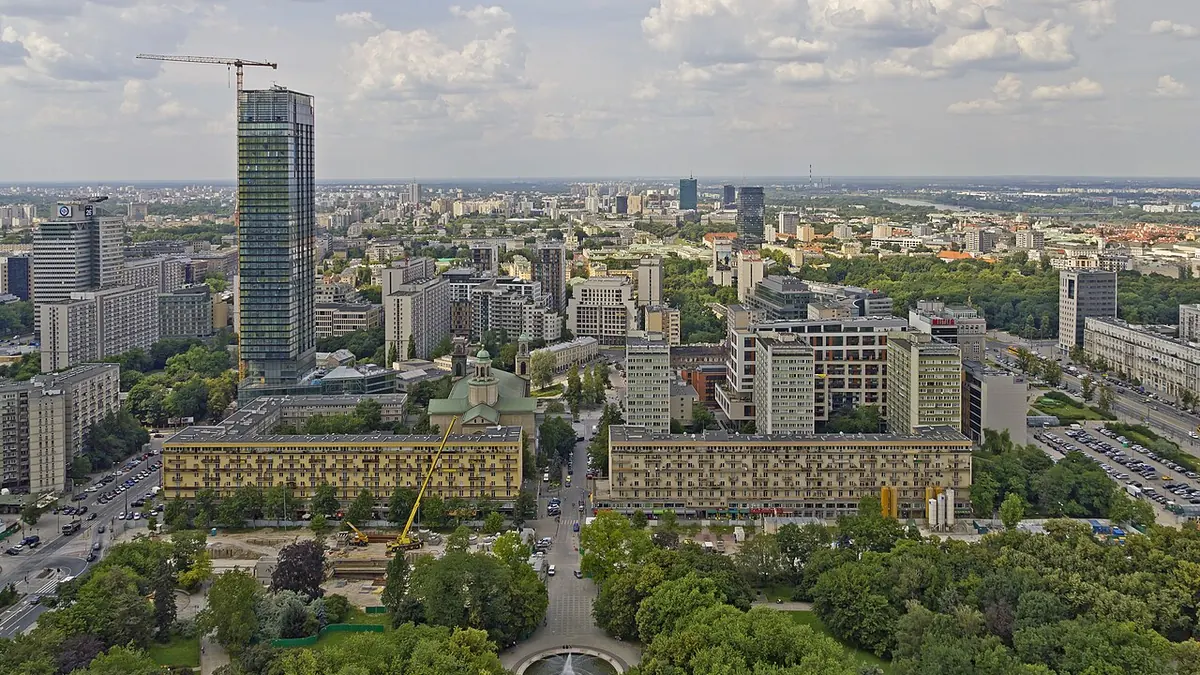
A Warsaw itinerary for 5 days covers the rebuilt Old Town and Royal Route, Jewish Warsaw and the POLIN Museum, the Warsaw Rising Museum, Łazienki Park with Wilanów Palace, and the east-bank district of Praga. Group sights by area, use the metro for long hops, and shorten or extend the plan for 2 to 7 days.
In this guide
What is the best Warsaw itinerary for 5 days?
The best Warsaw itinerary for 5 days covers the rebuilt Old Town and Royal Route, Jewish Warsaw and the POLIN Museum, the Warsaw Rising Museum, Łazienki Park with Wilanów Palace, and the creative east bank of Praga.
Five days is a comfortable length for a first visit: enough for the main sights and the city's very different districts, without rushing. Warsaw was almost completely destroyed in World War II and rebuilt, so history is part of nearly every stop. The city is large, so the plan below groups sights by area to save transit time.
| Day | Area | Main stops |
|---|---|---|
| 1 | Old Town and Royal Route | Castle Square, Old Town Market Square, Royal Castle, Krakowskie Przedmieście, Nowy Świat |
| 2 | Jewish Warsaw and Muranów | POLIN Museum, Ghetto Heroes Monument, Umschlagplatz memorial, Nożyk Synagogue |
| 3 | Uprising and modern center | Warsaw Rising Museum, Palace of Culture and Science, Vistula boulevards |
| 4 | Green Warsaw | Łazienki Park and Palace on the Isle, Wilanów Palace and gardens |
| 5 | Praga and riverfront | Koneser Center, Praga's courtyards and street art, Vistula riverside |
Warsaw is a Schengen country, so many Israelis combine it with a long weekend or a Poland trip that includes Kraków. Check current flights from Tel Aviv, as schedules change.
What should you do on days 1 and 2 in Warsaw?
Spend day 1 on the Old Town and the Royal Route from Castle Square down to Nowy Świat, and day 2 on Jewish Warsaw, centered on the POLIN Museum and the former ghetto area in Muranów.
Day 1: Old Town and Royal Route
- Morning: start at Castle Square and visit the Royal Castle, then walk through the Old Town Market Square. The Old Town was rebuilt after the war and is a UNESCO World Heritage Site. Walk to the Barbican and along the old walls.
- Afternoon: follow Krakowskie Przedmieście, lined with churches, palaces and the University of Warsaw, to Nowy Świat for cafés and shops.
- Evening: eat in the center, or take an easy walk along the Vistula boulevards.
Day 2: Jewish Warsaw and Muranów
- Morning: the POLIN Museum of the History of Polish Jews is the main stop. Plan at least half a day, and check opening days online as they vary.
- Midday: walk past the Monument to the Ghetto Heroes in front of the museum, and follow the markers of the former Warsaw Ghetto in Muranów.
- Afternoon: visit the Nożyk Synagogue, the only prewar synagogue in Warsaw that survived, and the Jewish Historical Institute, which holds the Ringelblum Archive. Add the Umschlagplatz memorial if you want a quieter, more somber stop.
Check Shabbat timing before you plan this day, since some places have limited Shabbat hours.
How do you spend days 3 to 5 in Warsaw?
On days 3 to 5, visit the Warsaw Rising Museum and the Palace of Culture, spend a green day at Łazienki and Wilanów, and finish with Praga and the Vistula riverfront.
- Day 3: start at the Warsaw Rising Museum, which tells the story of the 1944 uprising. In the afternoon, go up to the viewing terrace of the Palace of Culture and Science for a panorama over the city. Add the Copernicus Science Centre by the river if you are traveling with kids.
- Day 4: Łazienki Park is Warsaw's best-known park, with the Palace on the Isle, the Chopin monument and plenty of peacocks and squirrels. In the afternoon, take a bus or taxi south to Wilanów Palace and its gardens.
- Day 5: cross the Vistula to Praga, once a rough district and now an artistic one. The Koneser Center is a restored vodka factory with galleries and cafés, and the nearby streets are full of murals and old courtyards. Finish with a sunset walk on the riverside beaches in warm months.
Reserve museum tickets online in high season, and check each venue's current opening days, since they differ and many are closed on Mondays.
What should you do if you only have 2, 3 or 4 days?
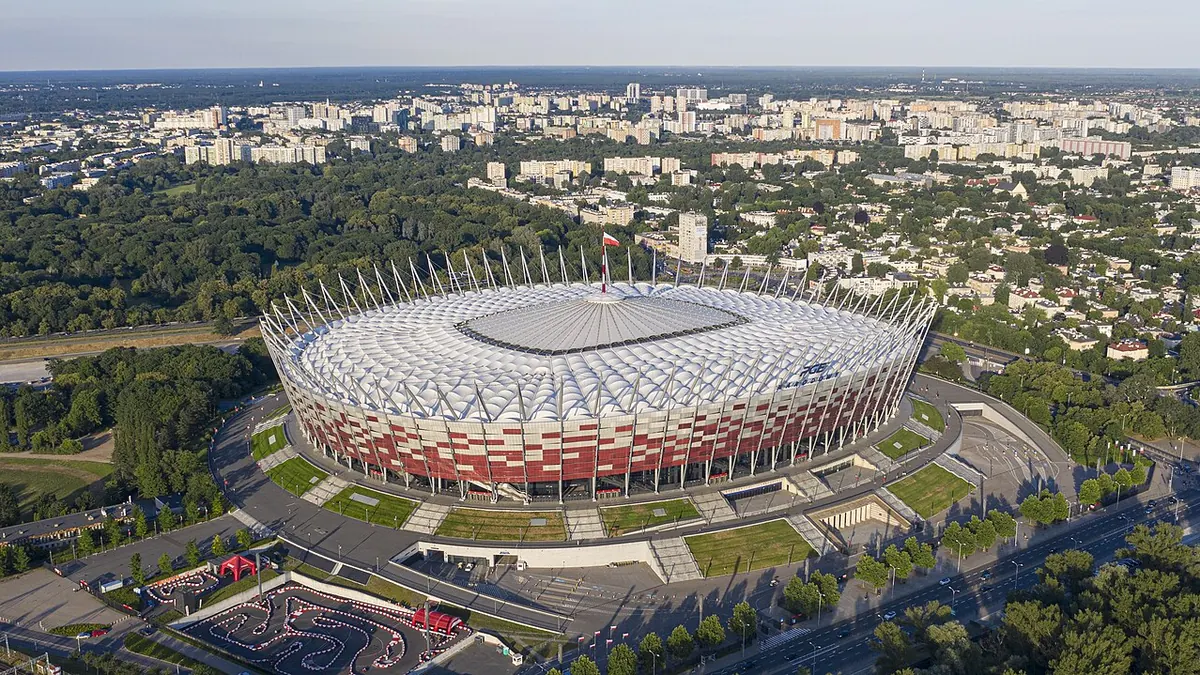
With 2 days, combine Old Town and the Royal Route with POLIN; with 3 days, add the Rising Museum or Łazienki; with 4 days, add the remaining park and palace day and a quick look at Praga.
- 2 days: day 1 Old Town and Royal Route, day 2 POLIN, Muranów and a quick look at the Palace of Culture.
- 3 days: add day 3 (Rising Museum and the modern center) or swap it for Łazienki, depending on your interests.
- 4 days: add Łazienki and Wilanów, and leave Praga for a free evening.
With 7 days, keep the 5-day plan and add day trips instead of repeating city sights: Żelazowa Wola, the birthplace of Chopin about 50 km west; Kampinos National Park for forest walks; or Nieborów and Arkadia for palaces and gardens. Some travelers also join organized trips to Holocaust memorial sites from Warsaw, which need a full day and a sensitive approach.
How do you get around Warsaw?
The easiest way to get around Warsaw is the metro for long north-south and east-west jumps, trams for the center and Praga, and your own feet in the Old Town and along the Royal Route.
- Metro: two lines cross at the center, and the stations near the Palace of Culture, the Old Town and Łazienki are all useful.
- Trams and buses: they reach most sights, including Wilanów, which is easiest by bus or taxi.
- Taxis and ride-hailing apps: cheap and convenient for late evenings and rainy days.
- Where to stay: the center near Śródmieście, Nowy Świat or the edge of the Old Town keeps most sights within walking or one short ride.
Poland uses the złoty, not the euro. Israeli cards are widely accepted, and card payment is standard even for small purchases. Check ticket options for public transport, such as multi-day passes.
When is the best time to visit Warsaw?
The best time to visit Warsaw is late spring to early autumn, from May to September, when parks and riverside areas are at their best, though winter works well for museums and Christmas markets.
Summers are warm and can include hot days and short thunderstorms. Winters are cold with possible snow and short days, so shift your plan toward museums and indoor stops. Bring a rain layer in all seasons.
- Entry: Poland is in the Schengen Area. Israeli passport holders should check the official Polish and EU sources for current rules, including any ETIAS authorization requirement.
- Safety: check Israeli National Security Council and Foreign Ministry travel guidance before booking.
- Kosher and Shabbat: check with the local Jewish community or Chabad house for current options.
What mistakes do visitors make in Warsaw?
The biggest mistake is packing too many far-apart sights into one day and spending more time on transport than at the sights.
- Stopping at the Old Town and missing the park, Praga and riverside districts.
- Planning the POLIN Museum or the Rising Museum as a quick hour; both need several hours.
- Arriving on a Monday without checking museum closures.
- Not leaving a flexible half-day for weather in the cold months.
Group sights by area, use the metro for long hops, and keep one lighter day in the middle of the trip.
FAQ
Is Warsaw worth 5 days?
Yes. Five days comfortably covers the Old Town, Jewish Warsaw, the Rising Museum, Łazienki and Wilanów, and Praga without rushing. It also leaves room for cafés, river walks and a slower pace than a typical two-day city break.
What is the best area to stay in Warsaw for sightseeing?
For most visitors the best base is the center around Śródmieście, Nowy Świat or the edge of the Old Town. From there the main sights are within walking distance or a short metro or tram ride, and restaurants and the Central Station are close.
Can I follow this Warsaw itinerary in winter?
Yes. Warsaw works well in winter because many key sights are museums and indoor attractions, and cafés are plentiful. Plan shorter outdoor segments, dress warmly, use trams and the metro more, and keep Łazienki and the riverfront for a clear day.
What should I not miss on a first trip to Warsaw?
Do not miss the Old Town and Royal Castle, the POLIN Museum, the Warsaw Rising Museum, Łazienki Park and a walk along the Vistula. If you have time, Wilanów Palace and the Praga district add very different sides of the city.
Is Warsaw easy for English speakers?
Yes. English is widely understood in tourist areas, restaurants and hotels, especially by younger people, and the metro and many museums have English signs or audio guides. Maps and transit apps work well, so a car is not necessary in the city.
How do I plan Warsaw around Shabbat and kosher food?
Check the local Jewish community or Chabad house in Warsaw before you travel for current kosher options and Shabbat arrangements. Also keep Shabbat in mind when planning Jewish sights, since some venues have limited hours, and buy or bring food in advance if needed.